Historical Instrument Specification Report
1929 Vega Vegaphone
Soloist 5 String
5-String Master-Grade Performance Conversion · Serial No. 87491
Lot Highlights
Highlights Summary
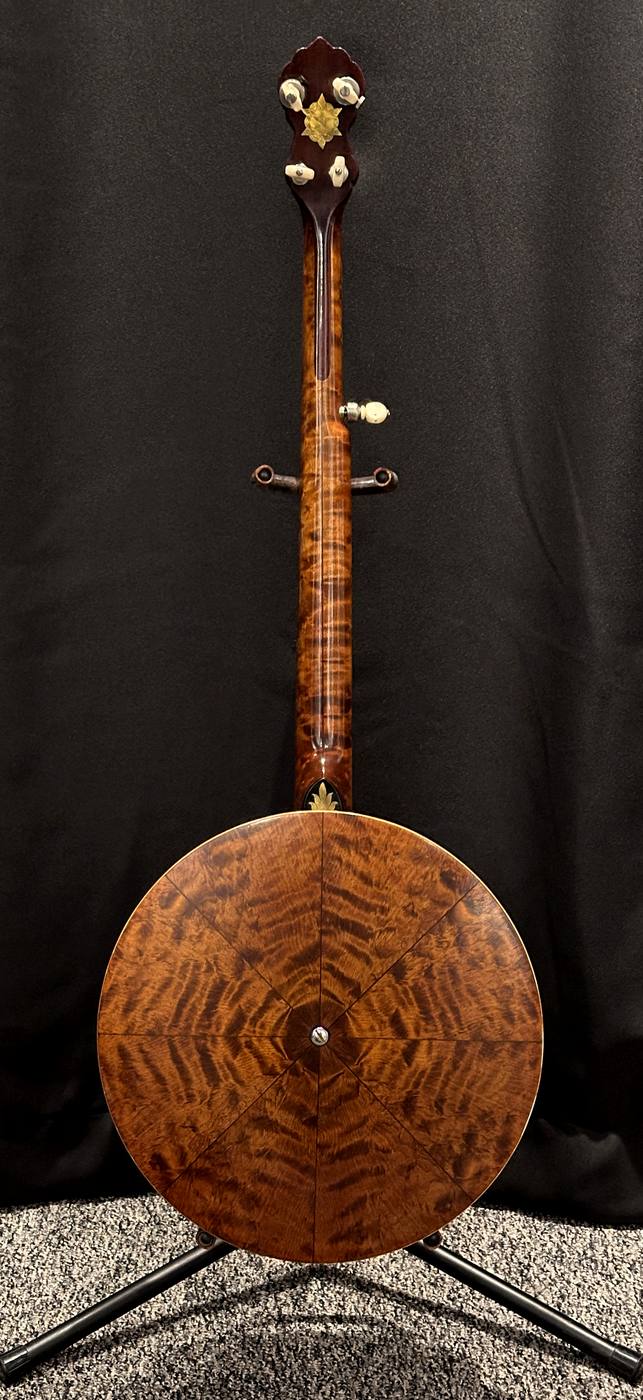
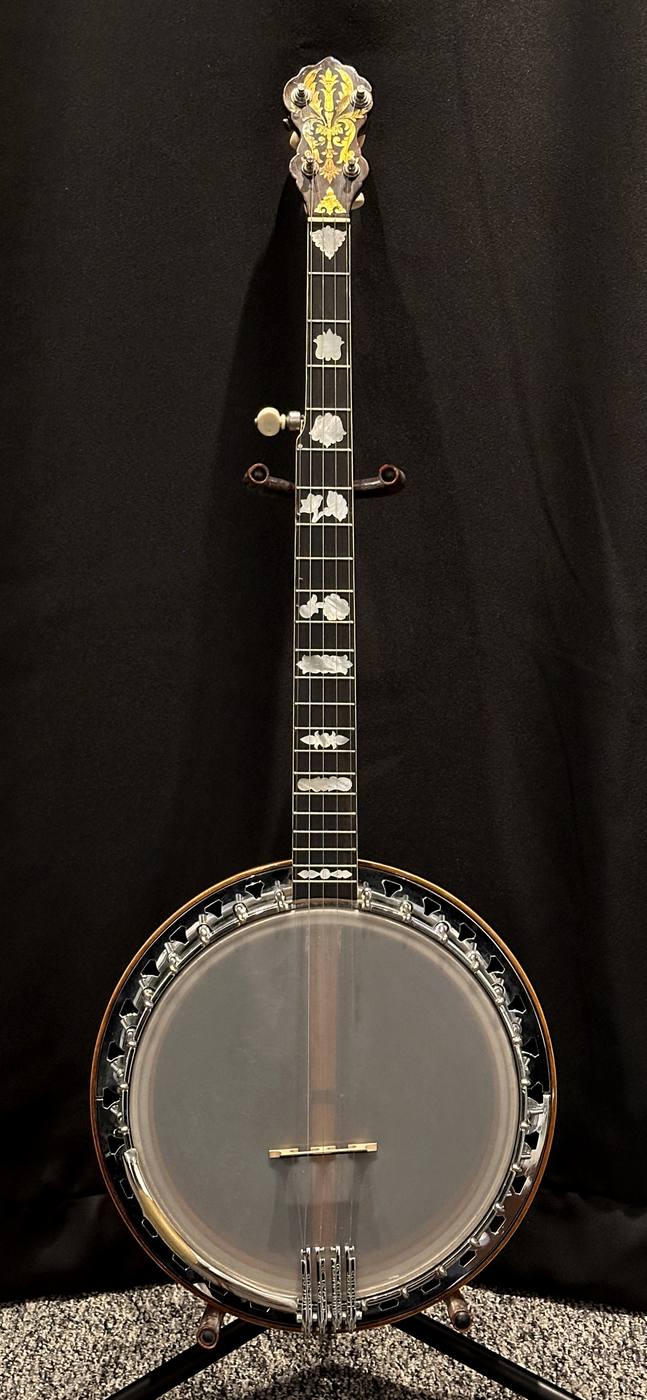
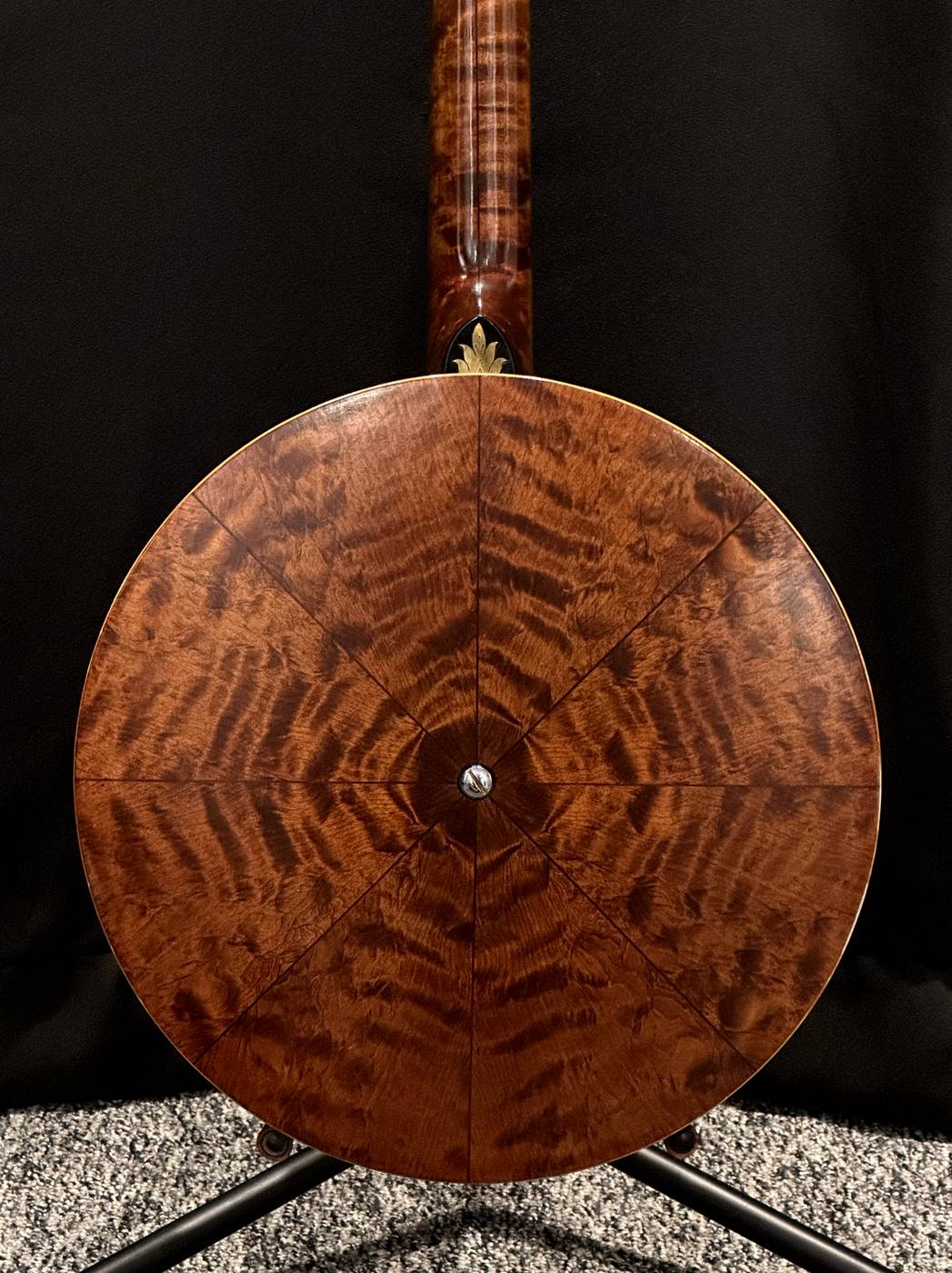
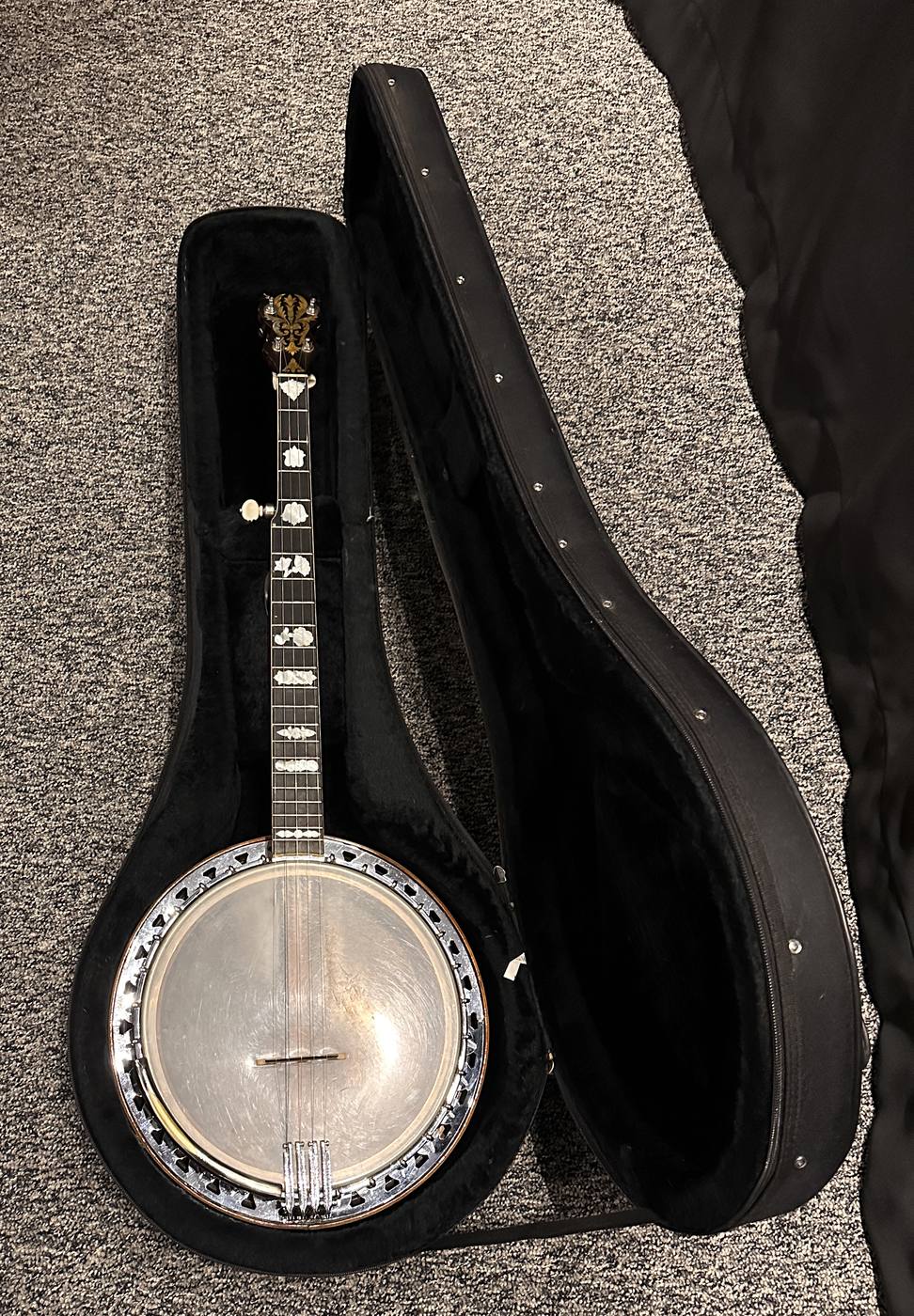
This instrument combines the absolute pinnacle of Jazz-Age acoustic architecture with a master-grade modern performance execution. This is a professional instrument that in 1929, sold for $200. Adjusted to today's currency, about $4,000. The pot assembly is in outstanding condition and appears as a rare survivor, as implied by the matching mark C 69711 across the rim, resonator, and Tubaphone chamber. The gorgeous "pie plate" quilted maple makes for one of the most beautiful resonators ever made by Vega. By matching this wonderful pre-war pot assembly with an expertly carved floral-heel 5-string neck, and uniquely retaining the rare, original stamped Oettinger tailpiece and matching serial number rim and dowel stick, the instrument stands as an elite-tier performance banjo highly coveted by advanced old-time and bluegrass players. This is a wonderful pre-war banjo who's condition belies its nearly 100 year old existence.
Asking Price: $3,500 USD
PLUS INSURED SHIPPING
Historical Instrument Specification Report
Overview
- Instrument
- 5-String Banjo (Master-Grade Contemporary Conversion)
- Component Origin
- 1929 Pre-War Vega Vegaphone “Soloist” Pot Assembly
- Manufacturer (Original Components)
- The Vega Company (Boston, Mass.)
- Verified Production Serial Number
- 87491
- Year of Manufacture (Pot Assembly)
- 1929
Component Analysis & Serial Identification
Component Analysis & Serial Identification · 01
Factory Serial Number Identification
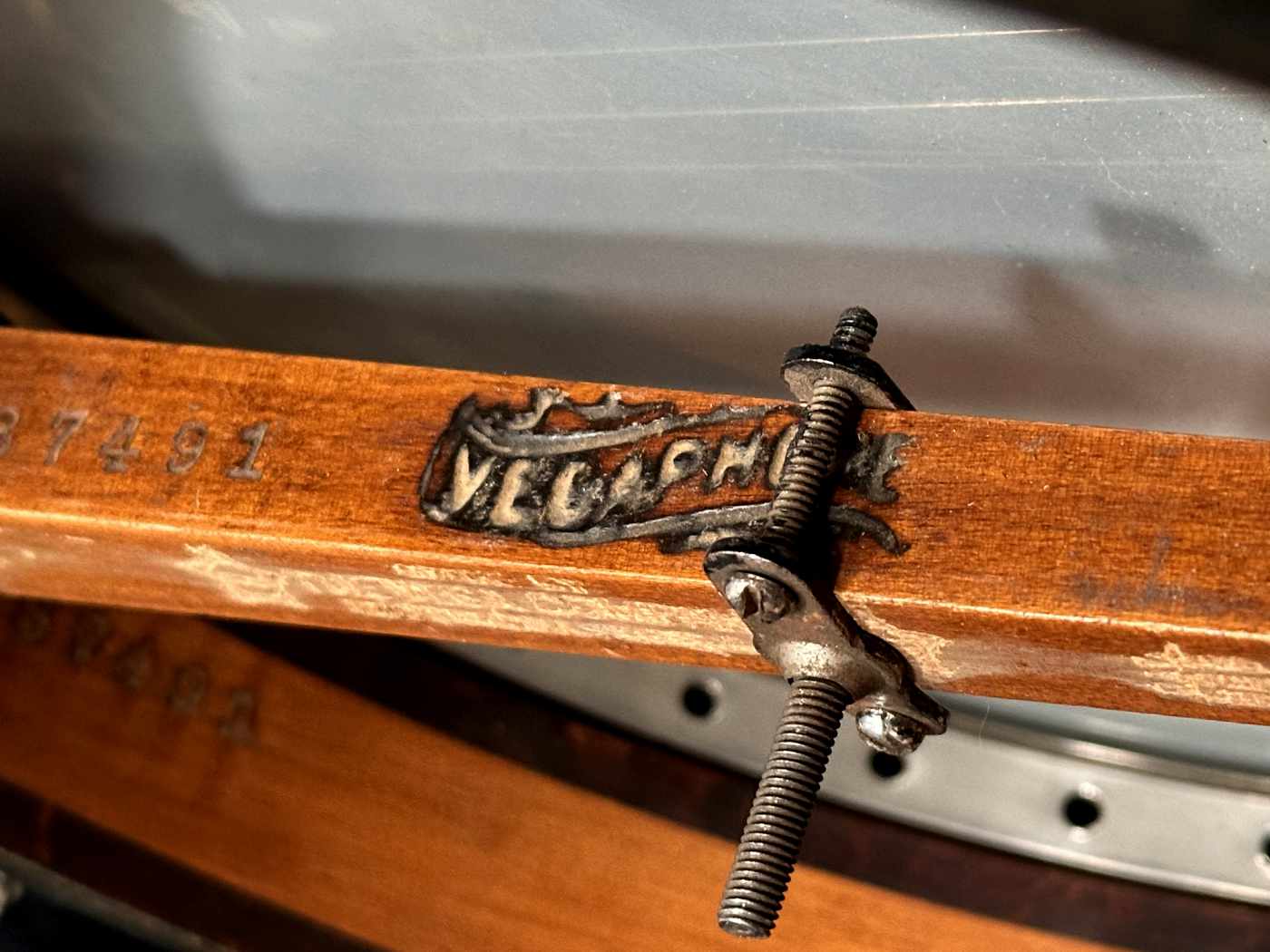
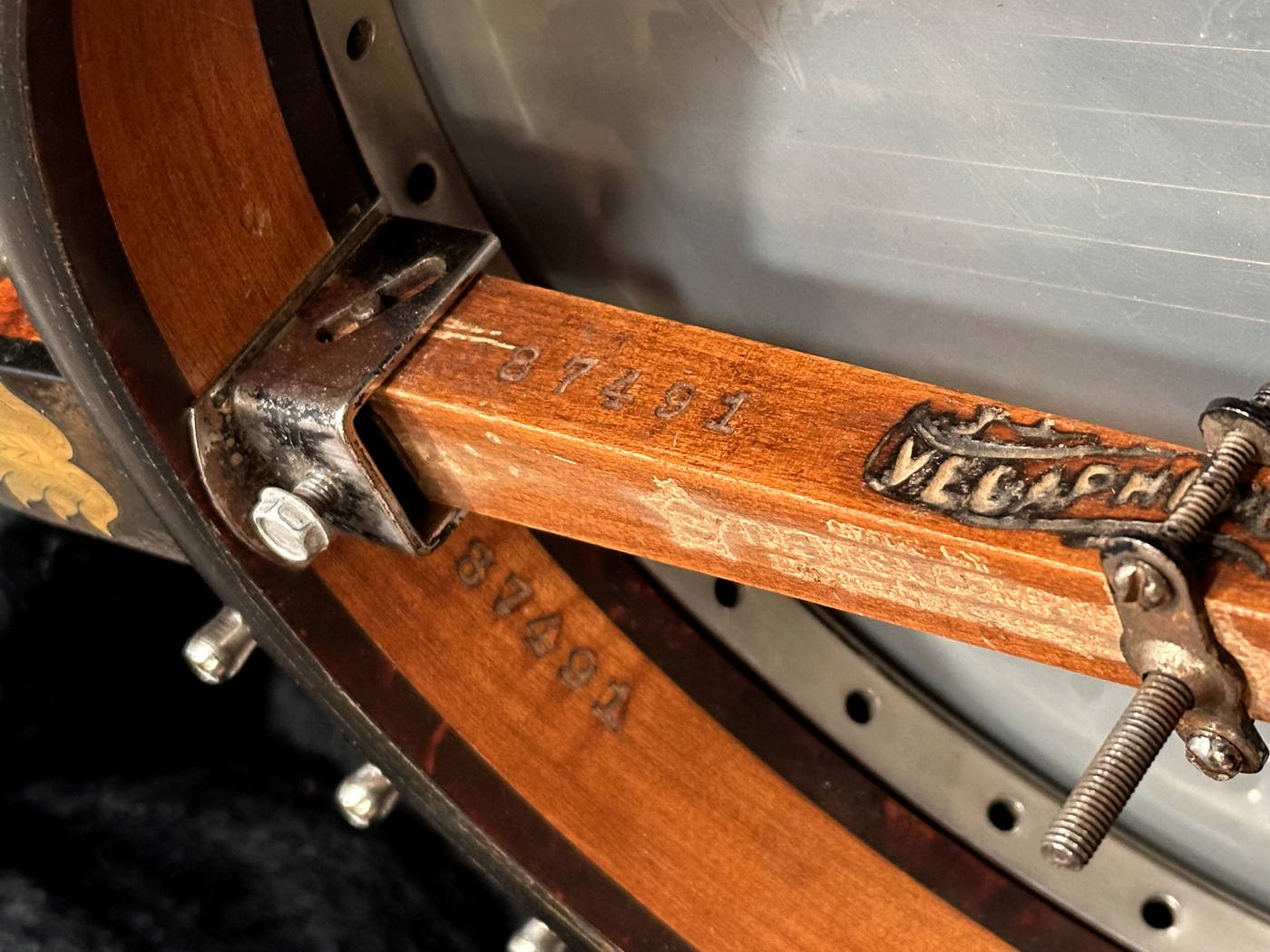
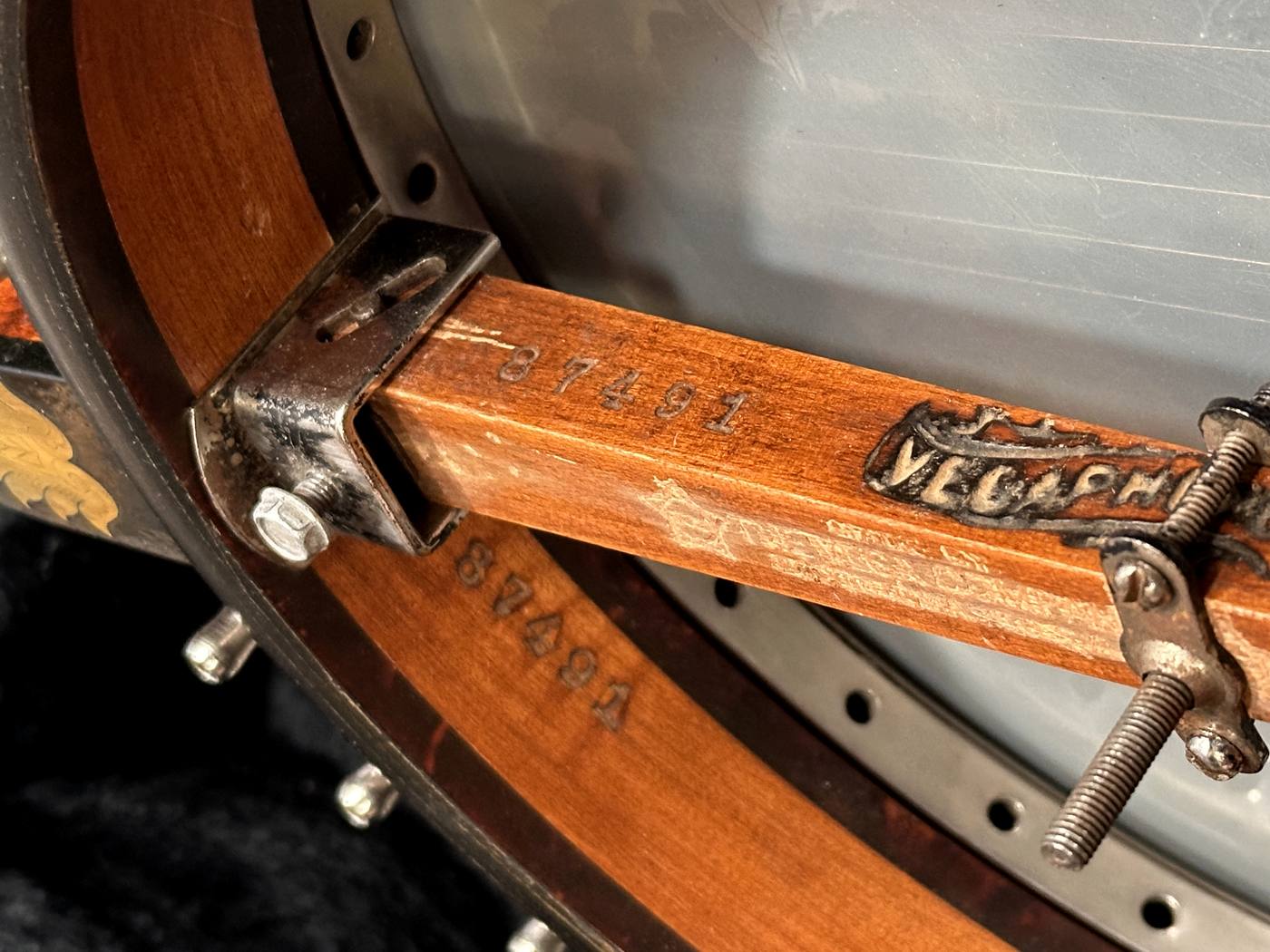
- Official Production Serial Number: 87491
- Dating Verification: Vega factory ledgers have long since been destroyed, and while Deering Banjo's records put this banjo at 1926, the SN 87491 puts it between known mid-to-late 1929 instruments and is sequentially 9 instruments earlier than the Smithsonian's 1929 SOLOIST, SN 87500.
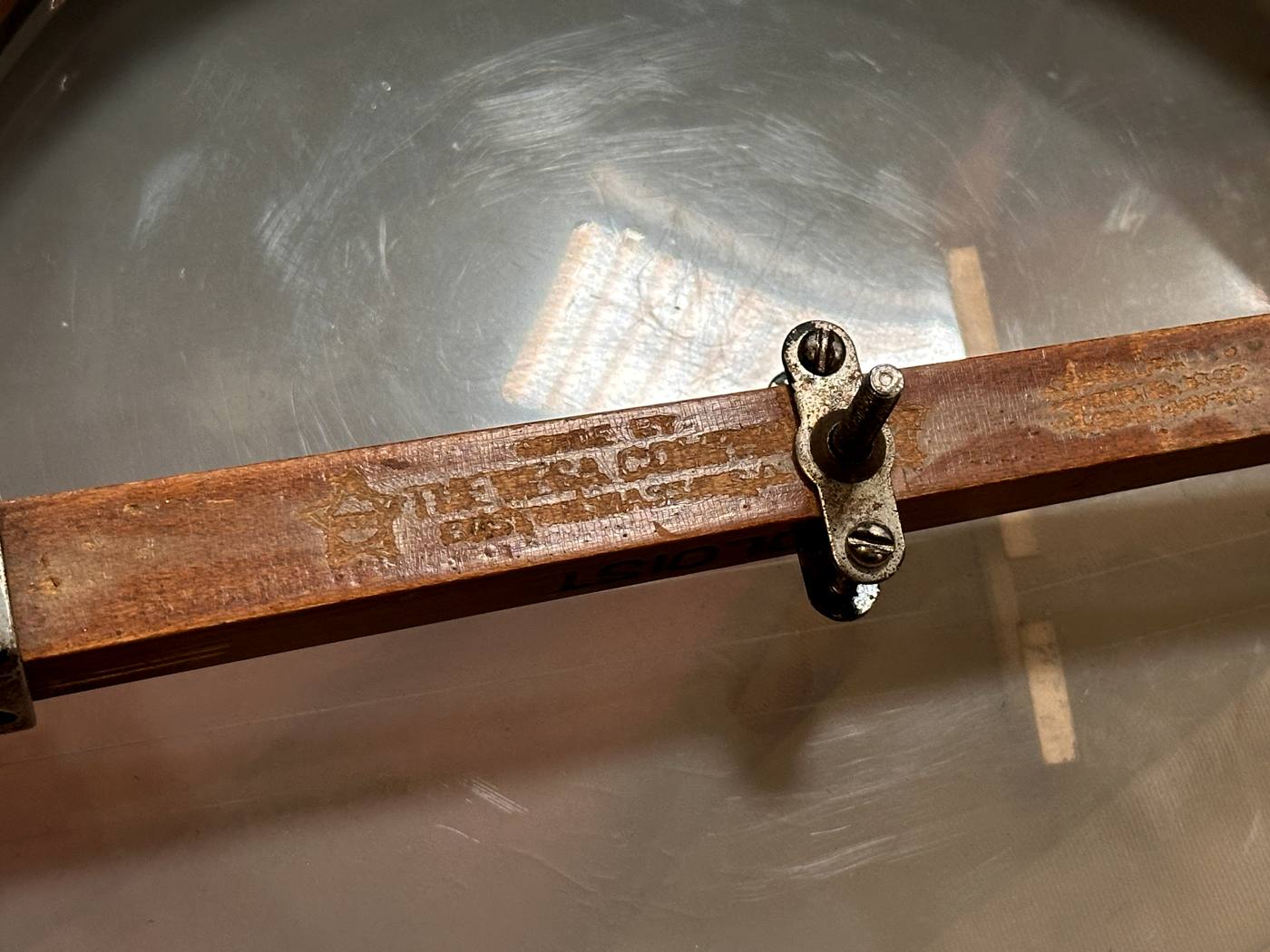
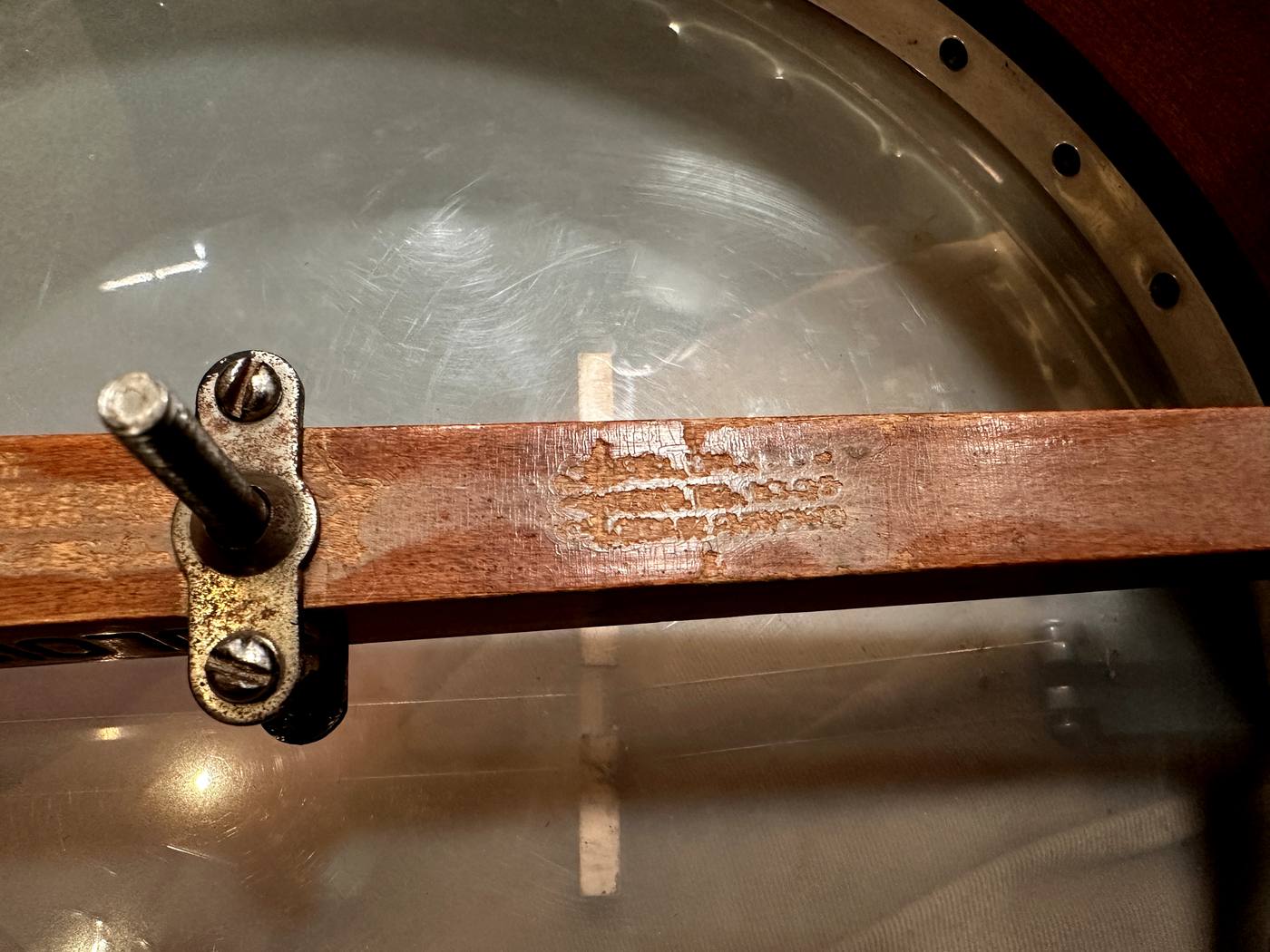
- Stamping Locations: Deeply factory-stamped on the interior maple rim walls and deeply stamped on the original dowel stick.
Component Analysis & Serial Identification · 02
Internal Matching Codes
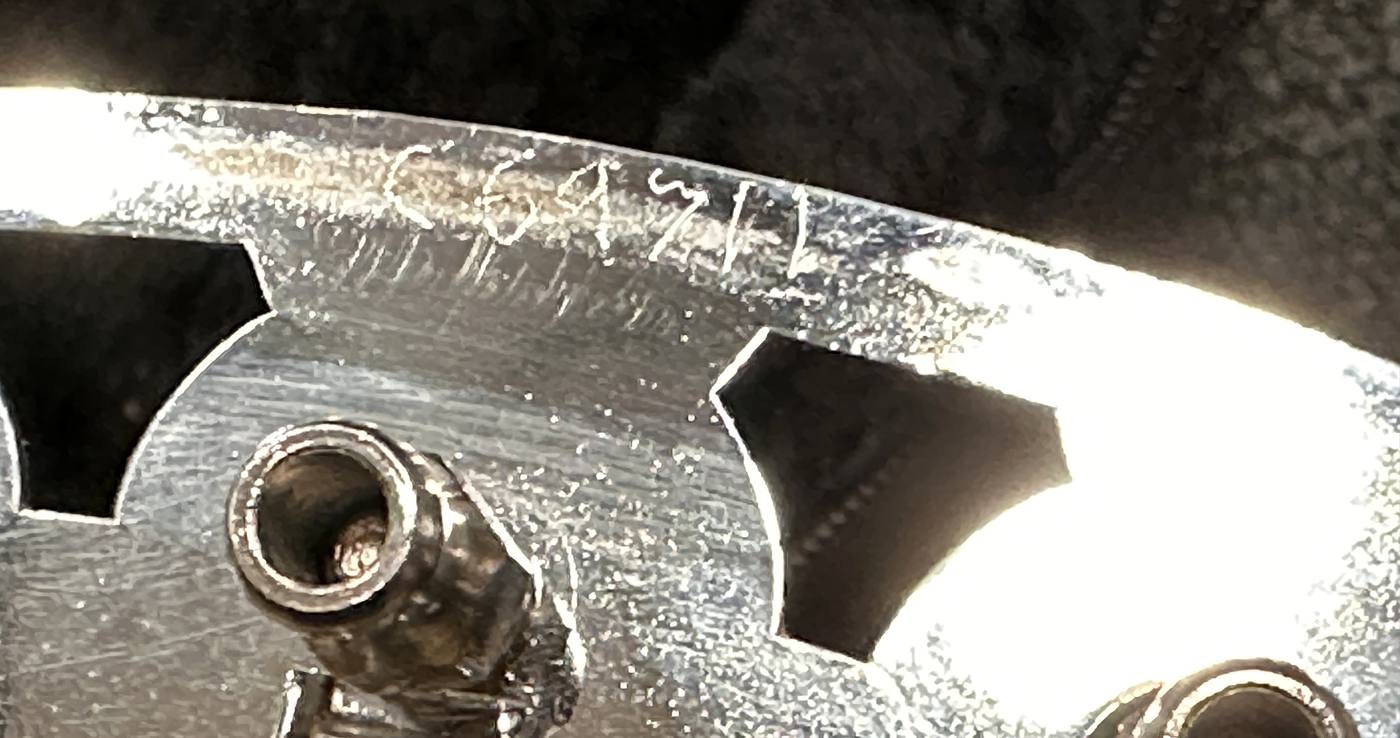
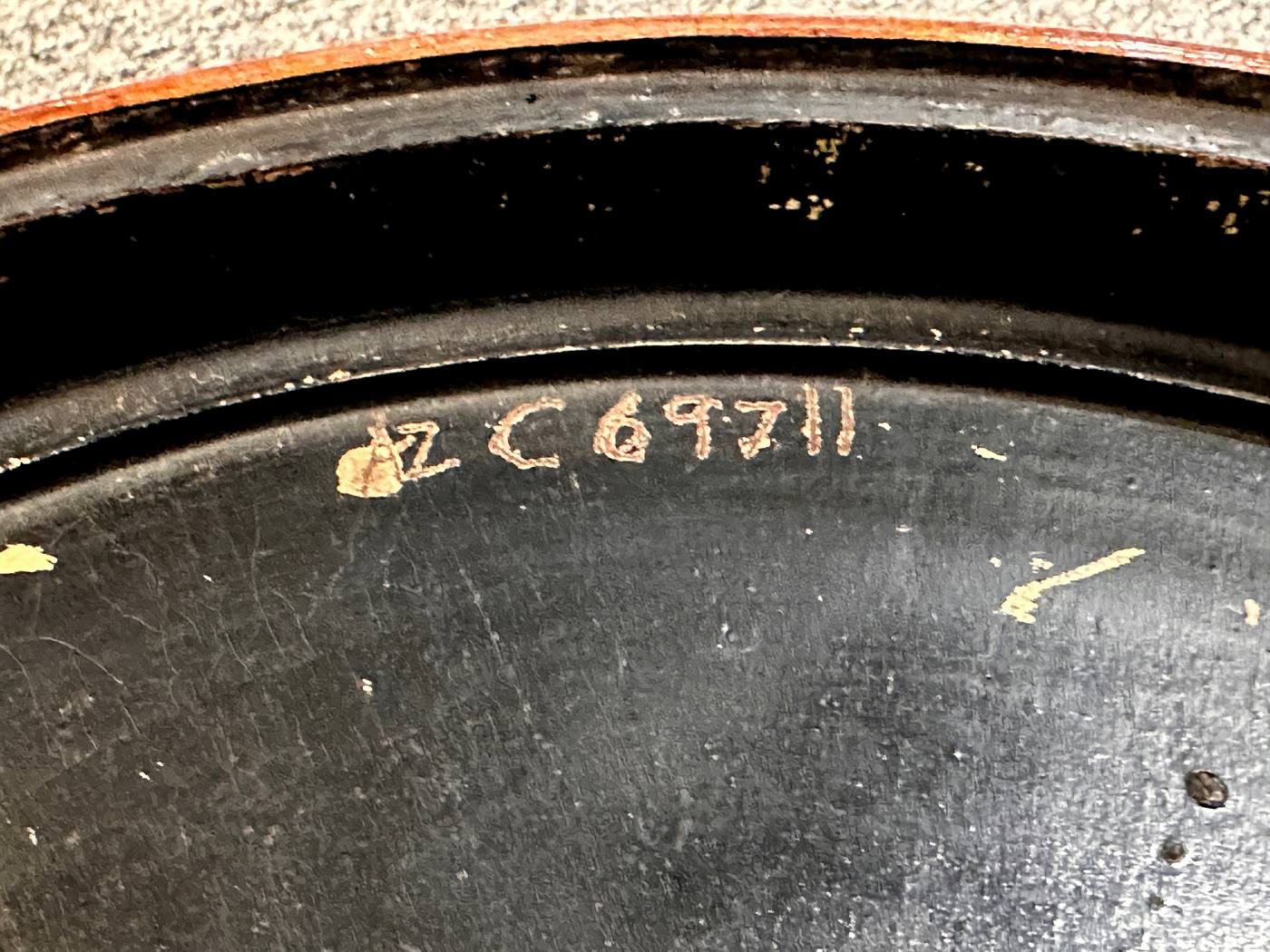
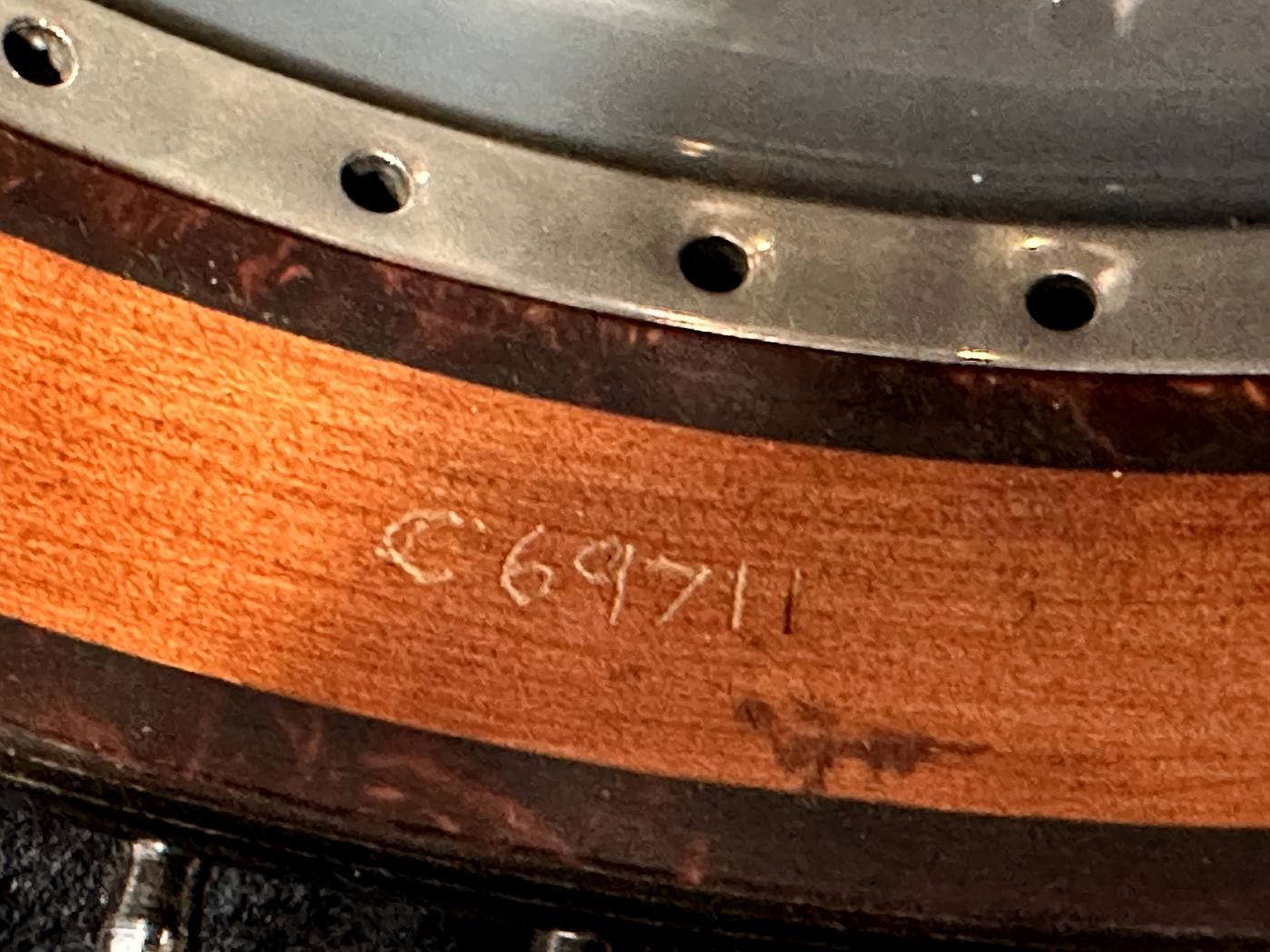
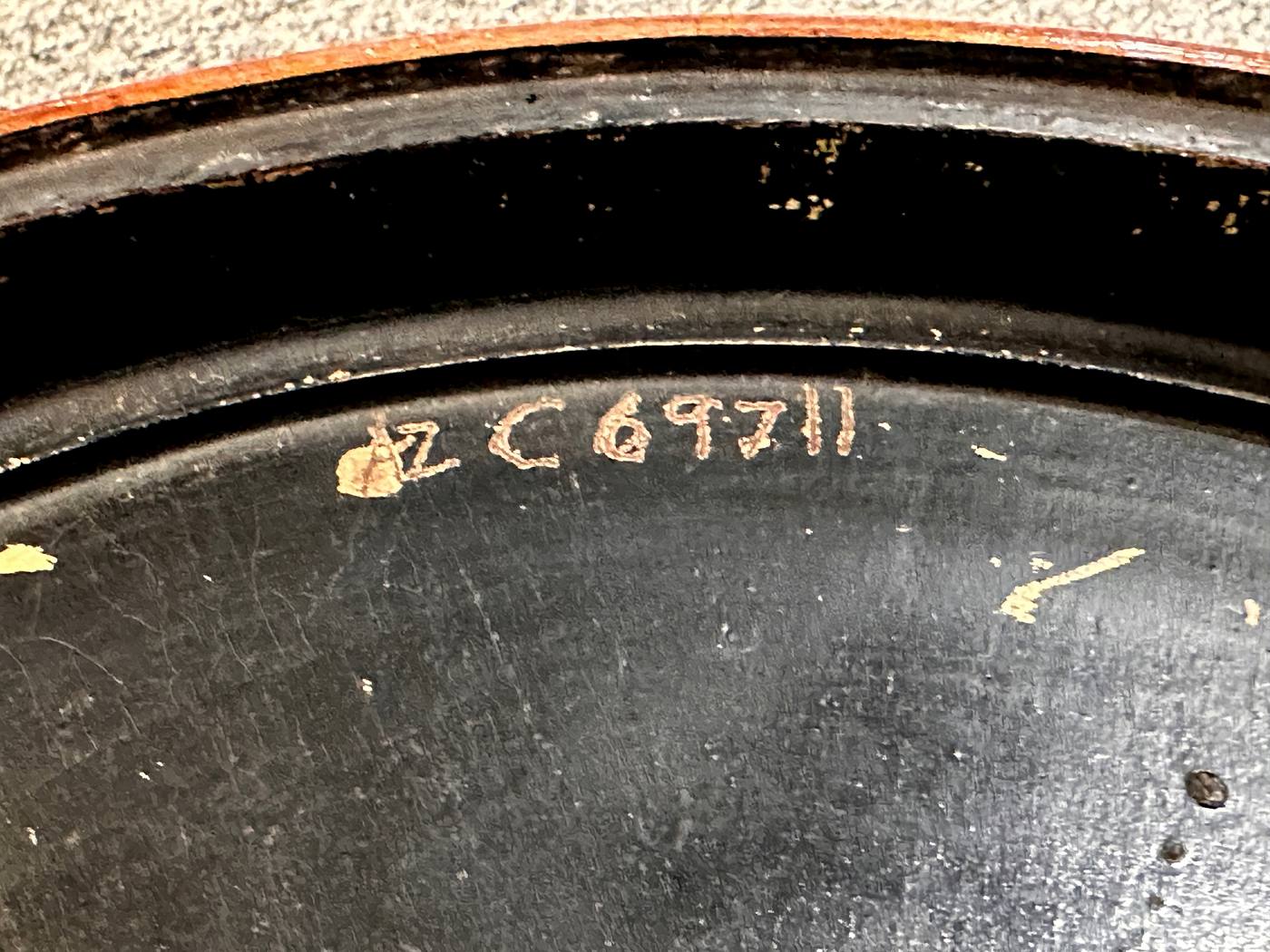
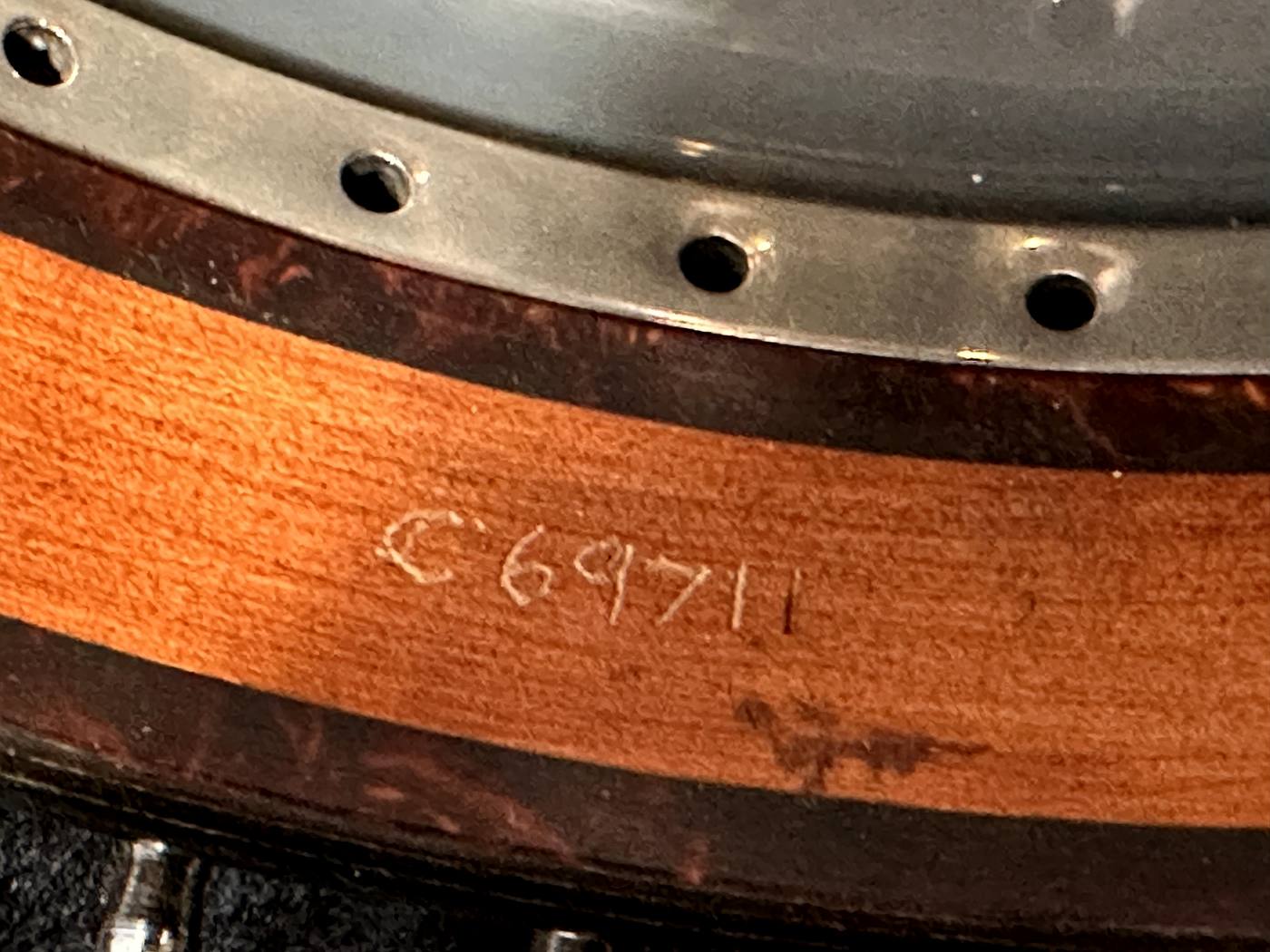
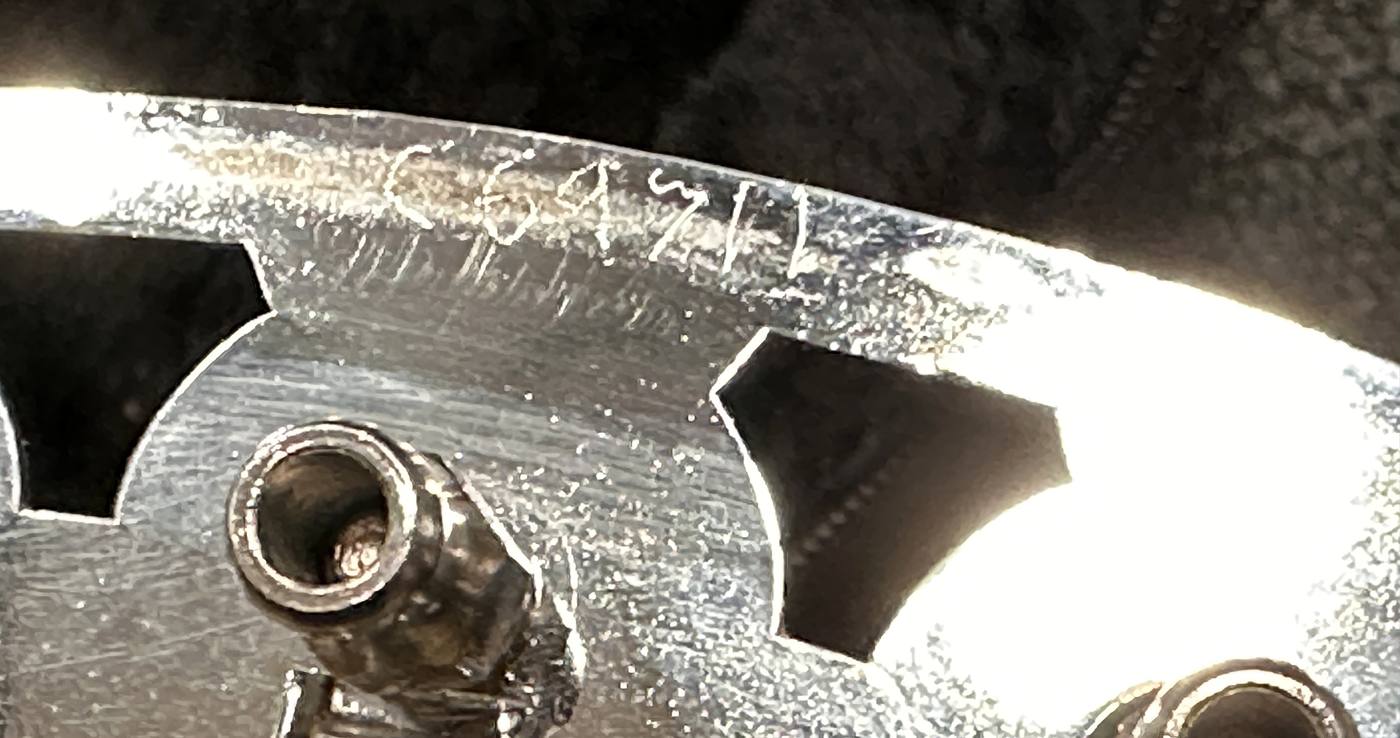
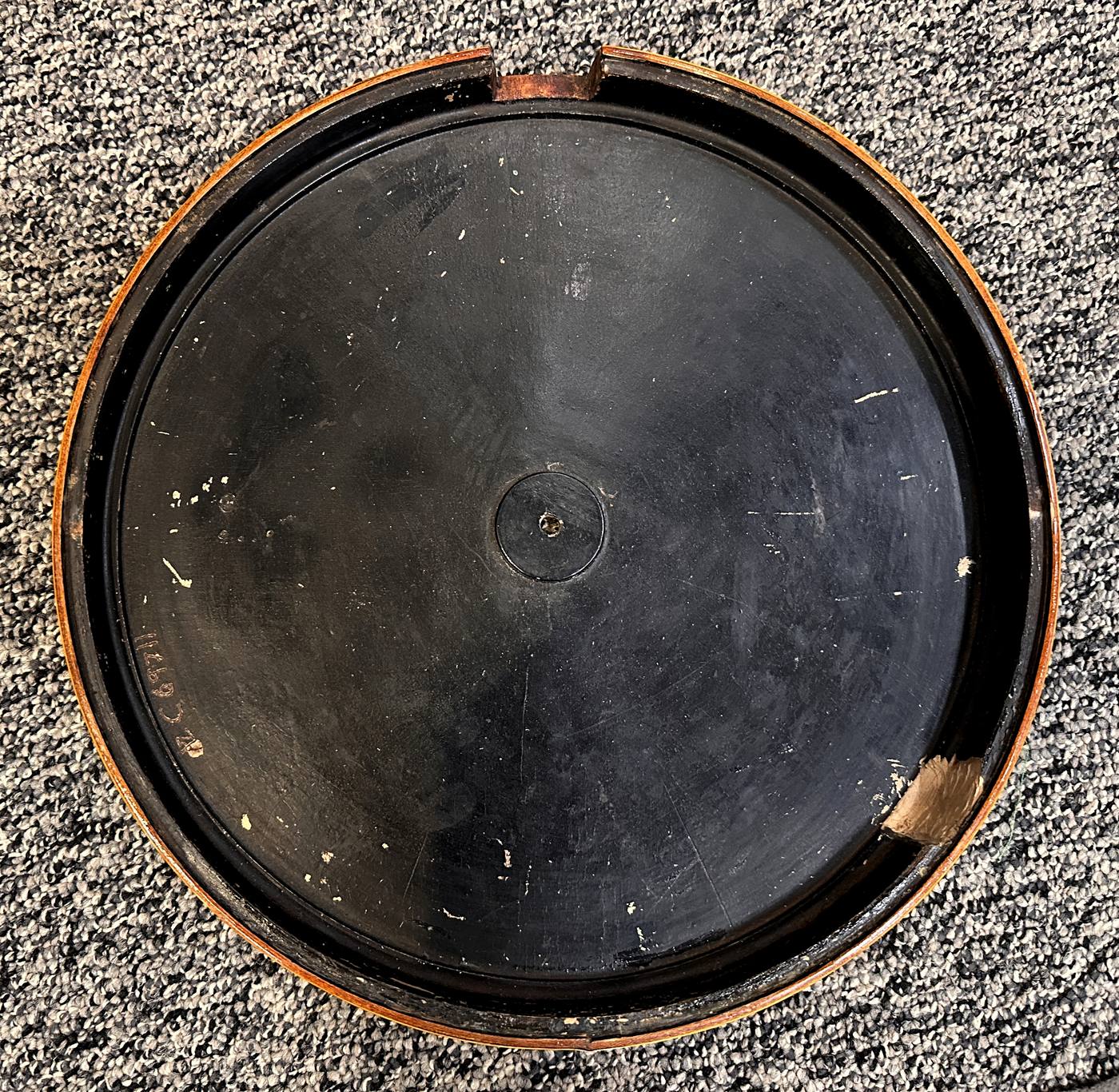
- Scribet Mark: C 69711
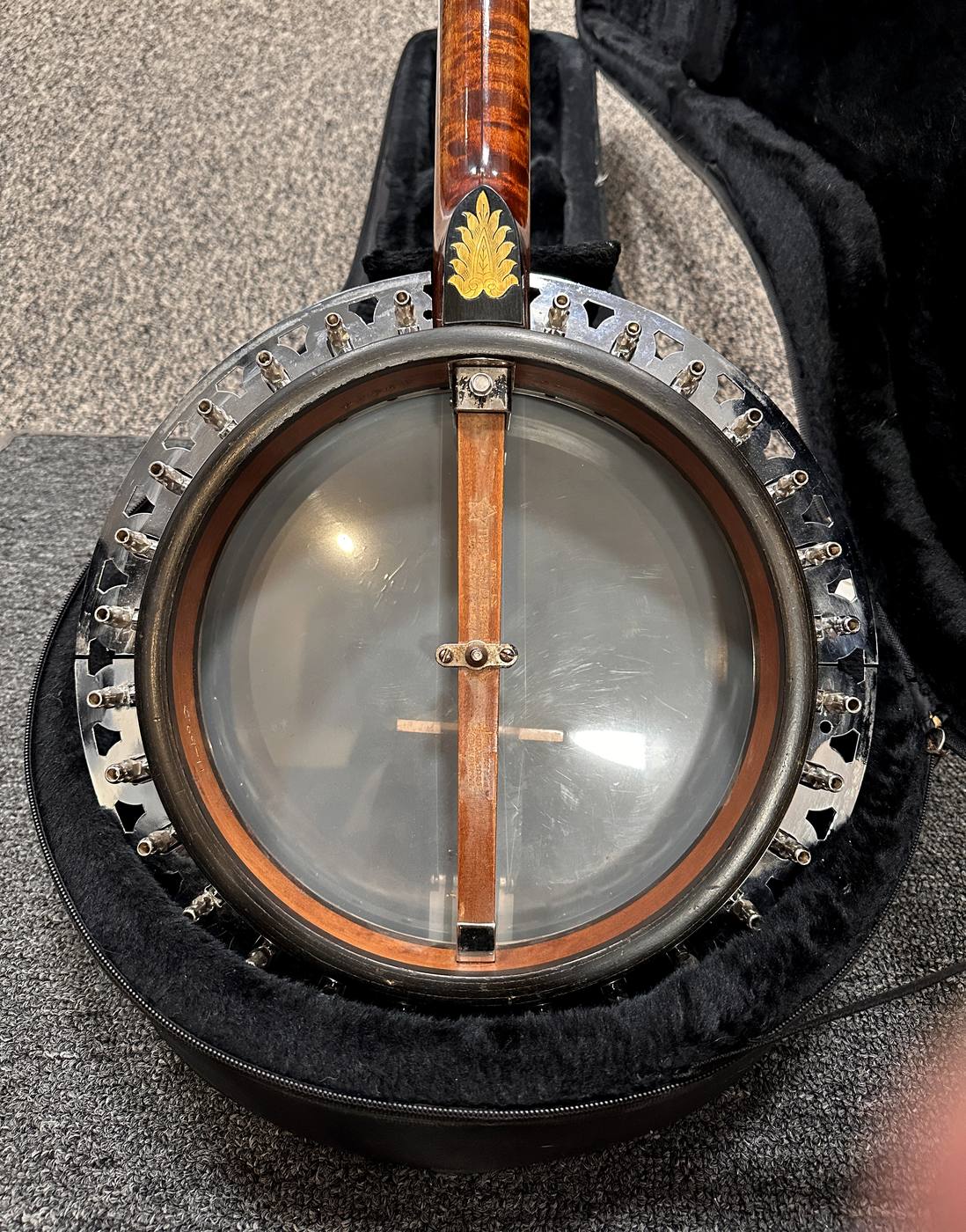
- Significance: The rim, resonator and Tubaphone tone ring all bear the matching internal mark C69711. Some have postulated that the master luthier who performed the expert conversion to a 5 string, made the markings. These markings unquestionably were made by the same hand. Being that this conversion was somewhat popular, a luthier of this caliber may have modified a number of these instruments during the same time period causing him to mark the components for reassembly. The precise meaning of the C69711 notation has not yet been determined.
Verification Points — present and matching in three critical locations:
- Inside wall of the premium 8-segment birdseye/quilted maple “pie-plate” resonator.
- Underside lip of the nickel-plated brass Tubaphone tone ring.
- Hand-penciled/scribed on the internal wooden rim structure.
Collector Provenance Notes: The mystery of the matching of code C 69711 across all three acoustic hubs implies that the pot assembly is an intact “survivor kit,”. It's obvious from the character style that it was the same person responsible for all 3 inscriptions.
Component Analysis & Serial Identification · 03
Rim Assembly Specs (“The Pot”)
- Model Line: Vegaphone “Soloist” (Top-tier orchestra grade).
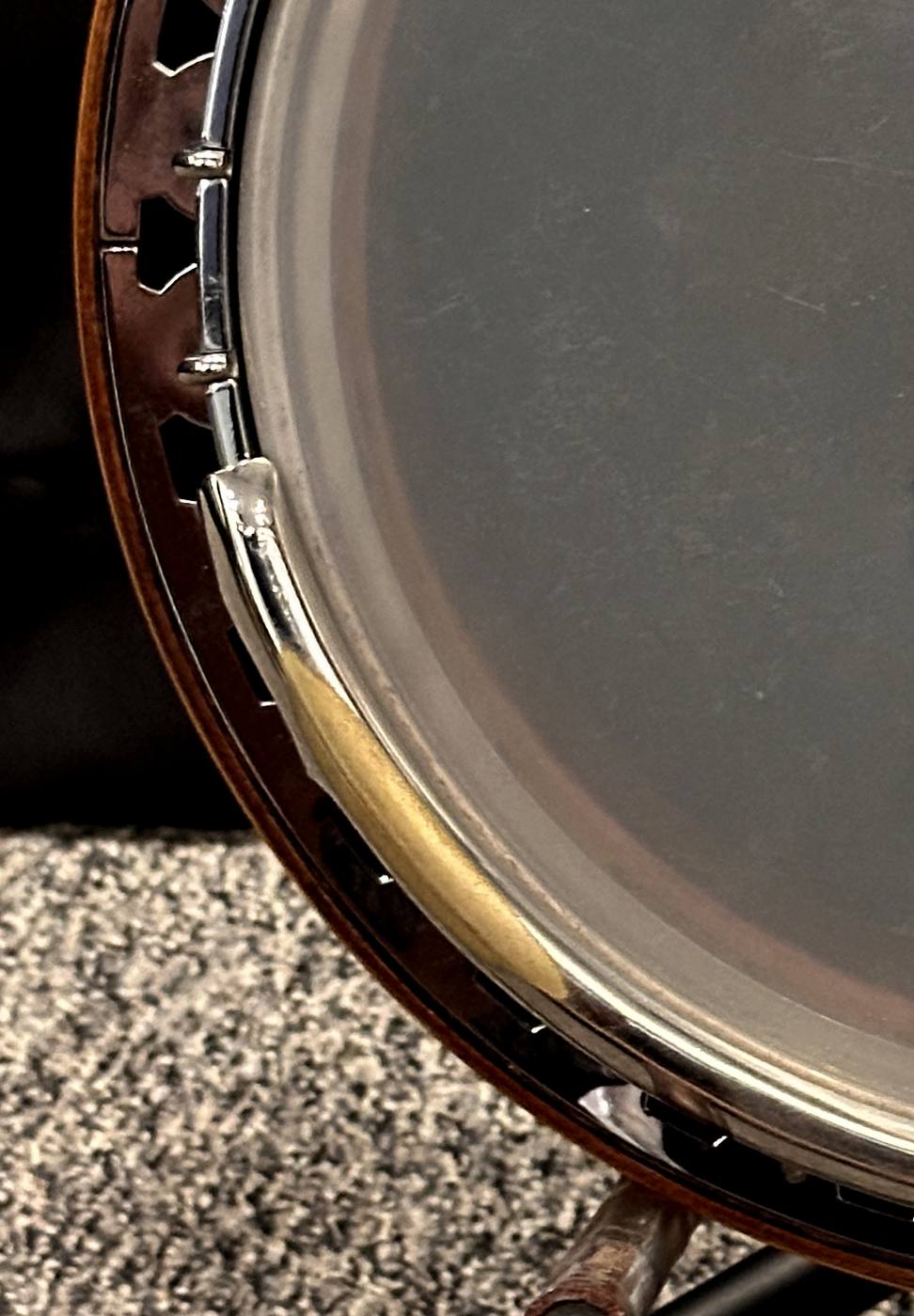
- Tone Ring Configuration: Genuine, pre-war multi-piece Tubaphone tone ring with iconic square-tube acoustic chambers.
- Hardware Plating: High-grade original nickel plating over heavy brass brackets, tension hoop, and flanges. Shows fine, stable pre-war micro-patina.
- Resonator Design: Art Deco 8-segment “pie-plate” back made of highly-figured birdseye and flame maple.
Component Analysis & Serial Identification · 04
Neck Specification (Contemporary 5-String Conversion)
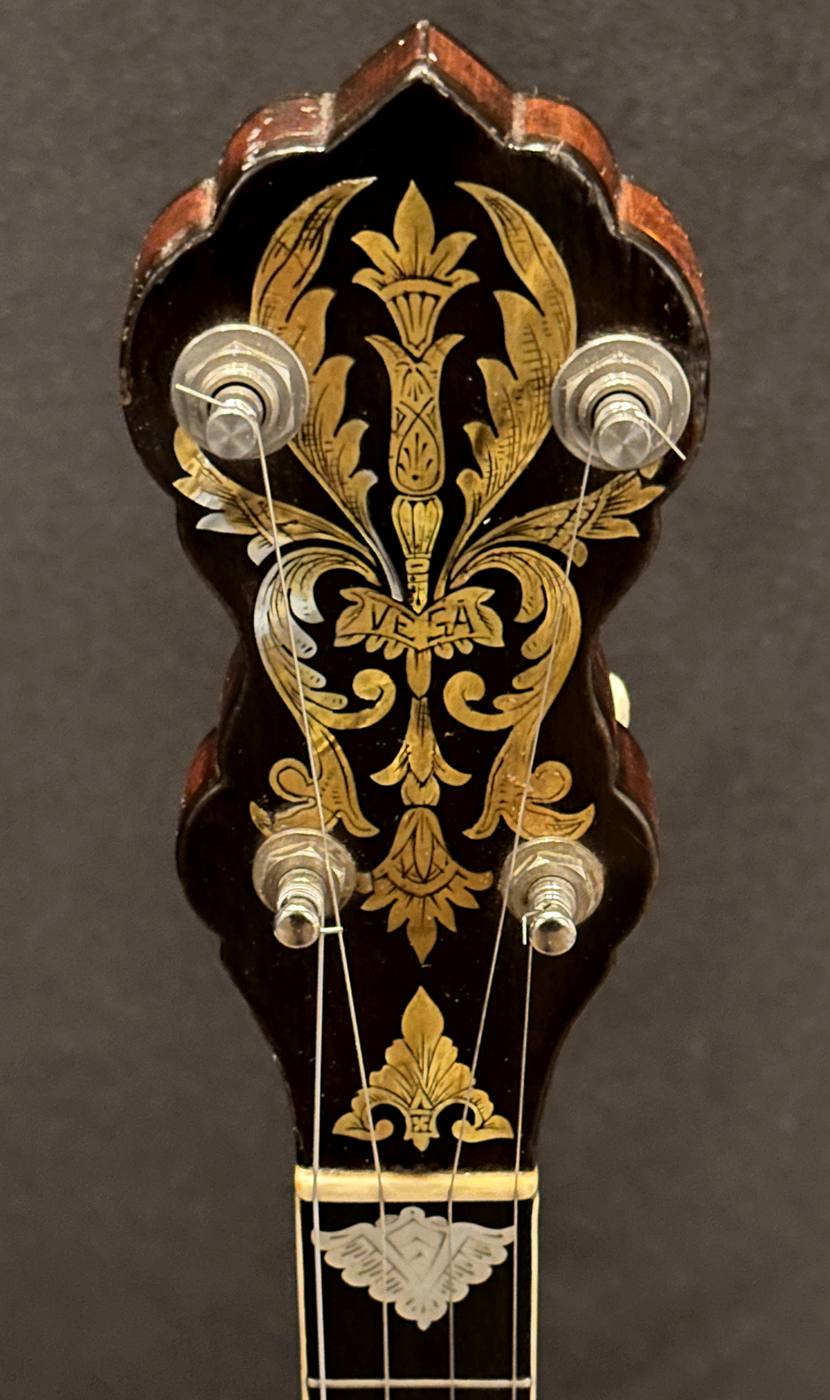
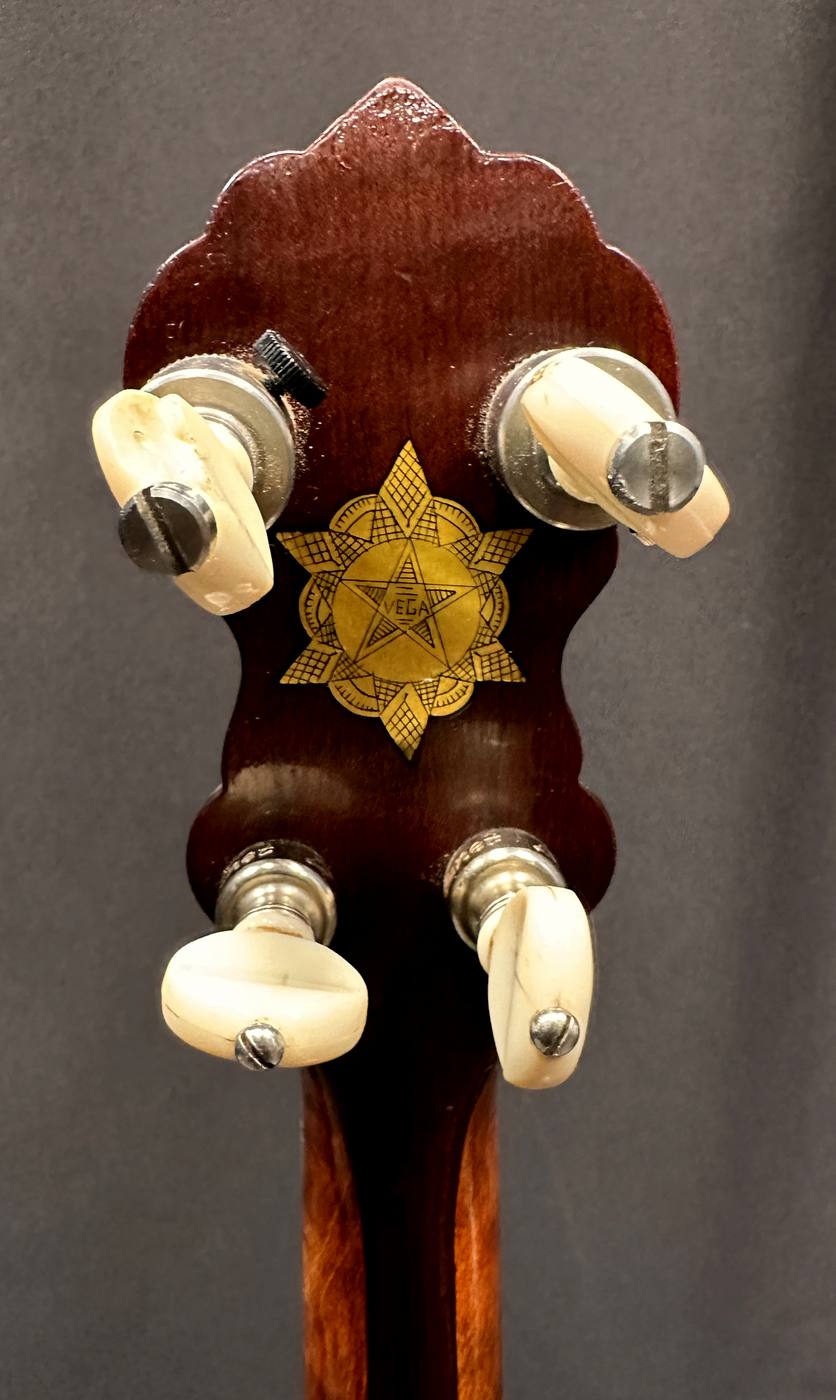
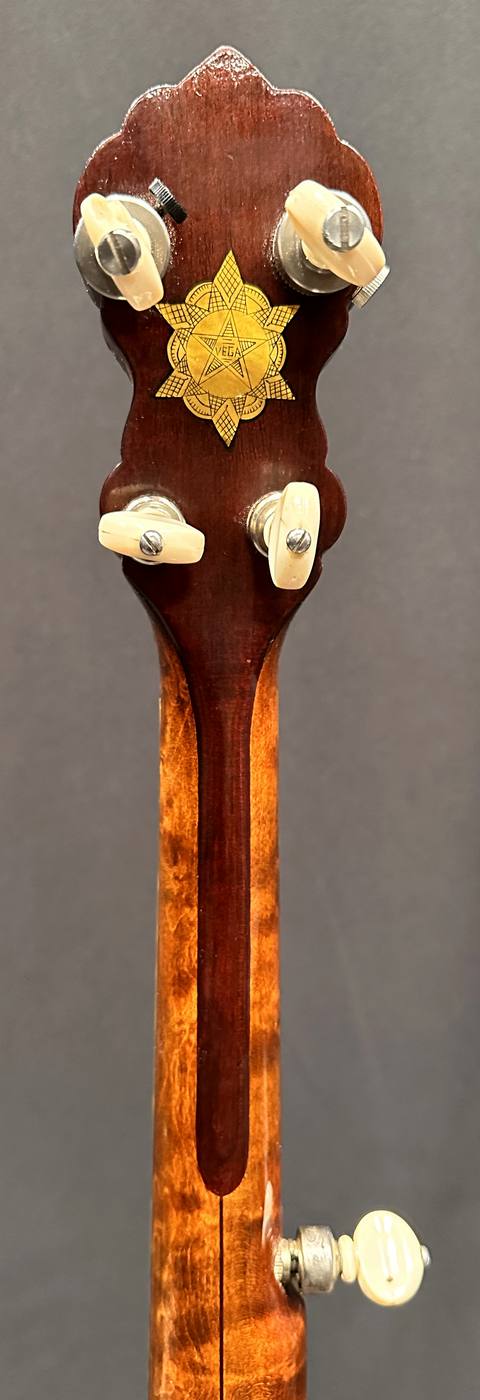
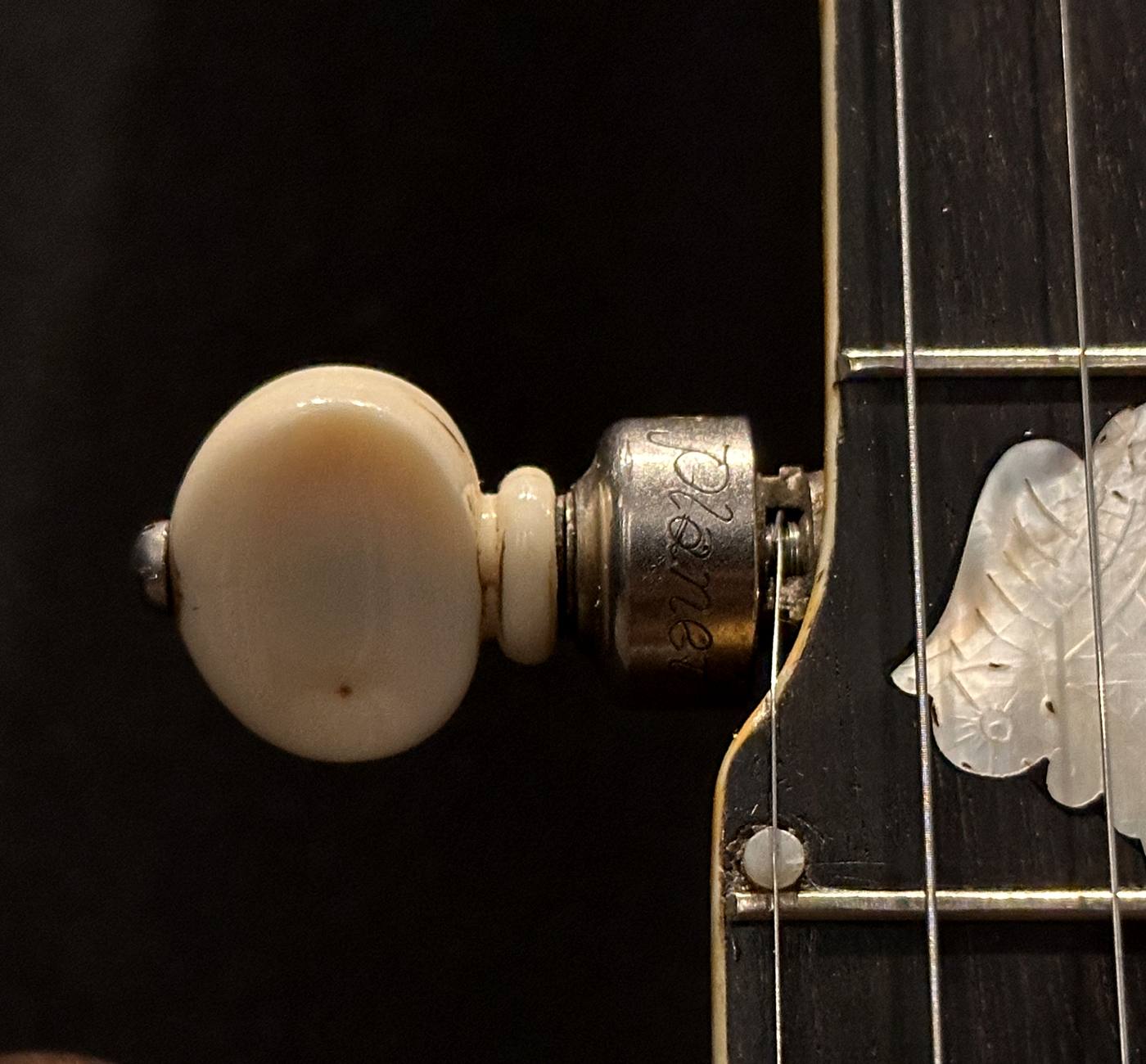
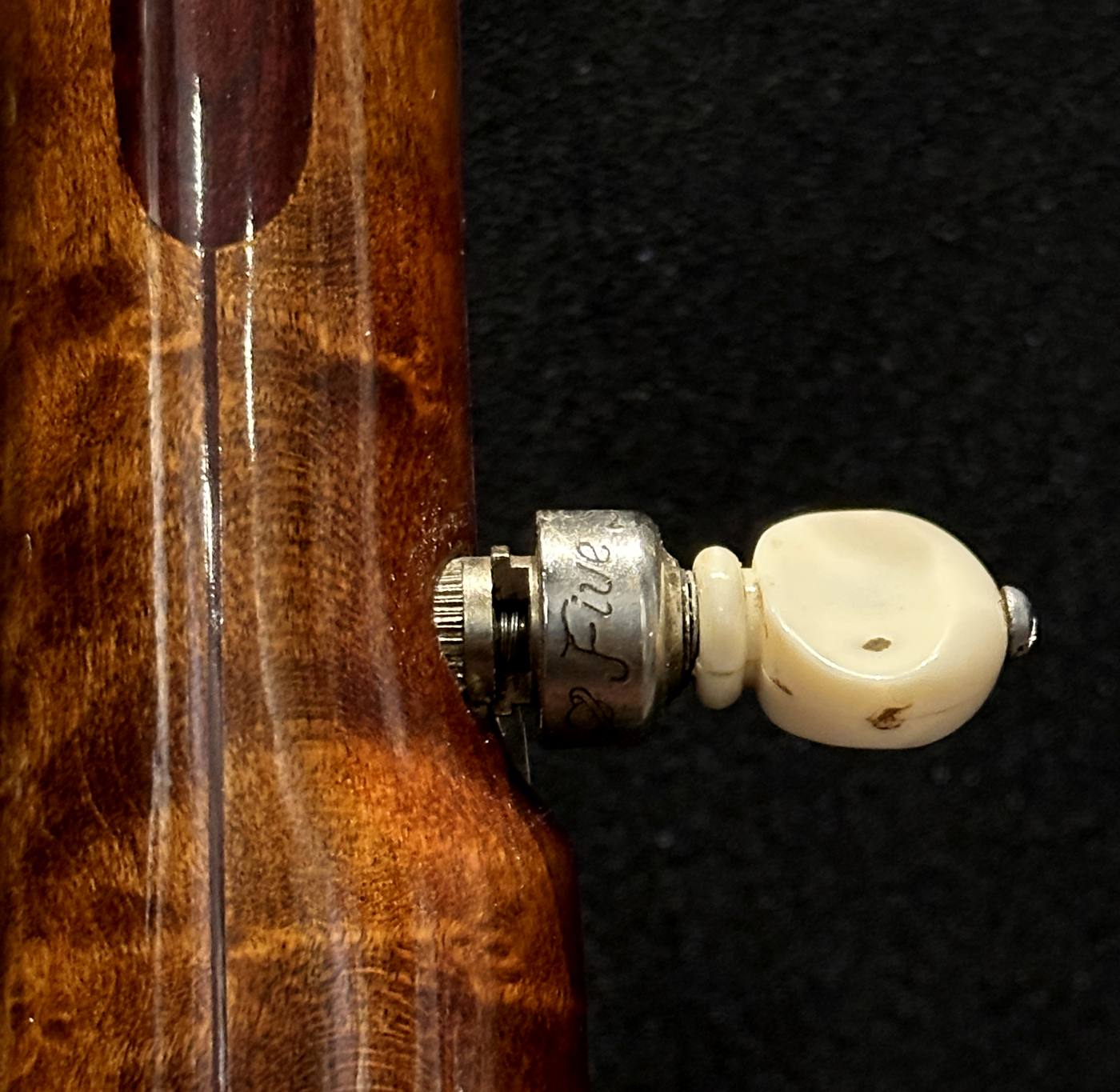
- Configuration: 5-String configuration with a side-mounted 5th string tuner.
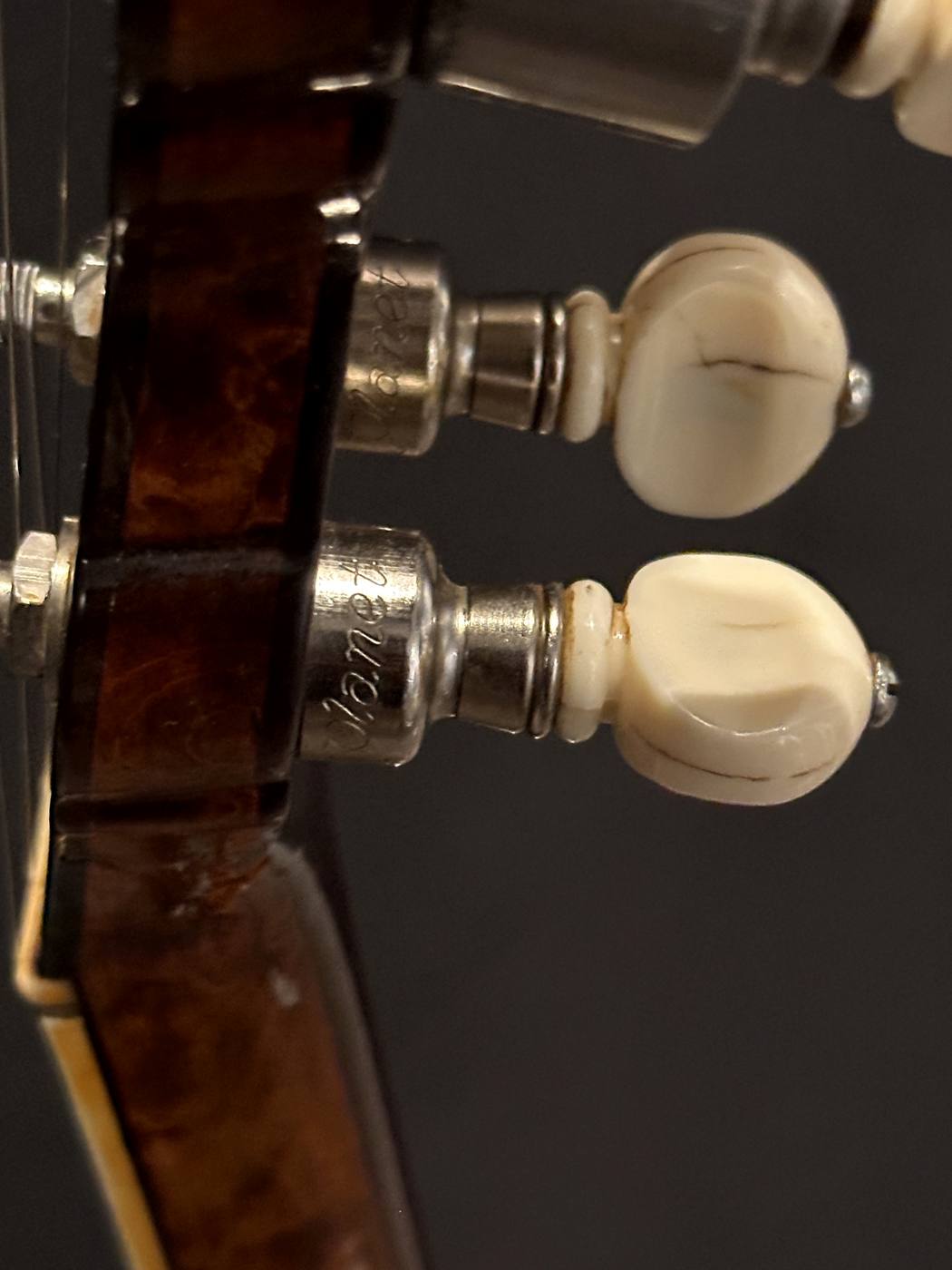
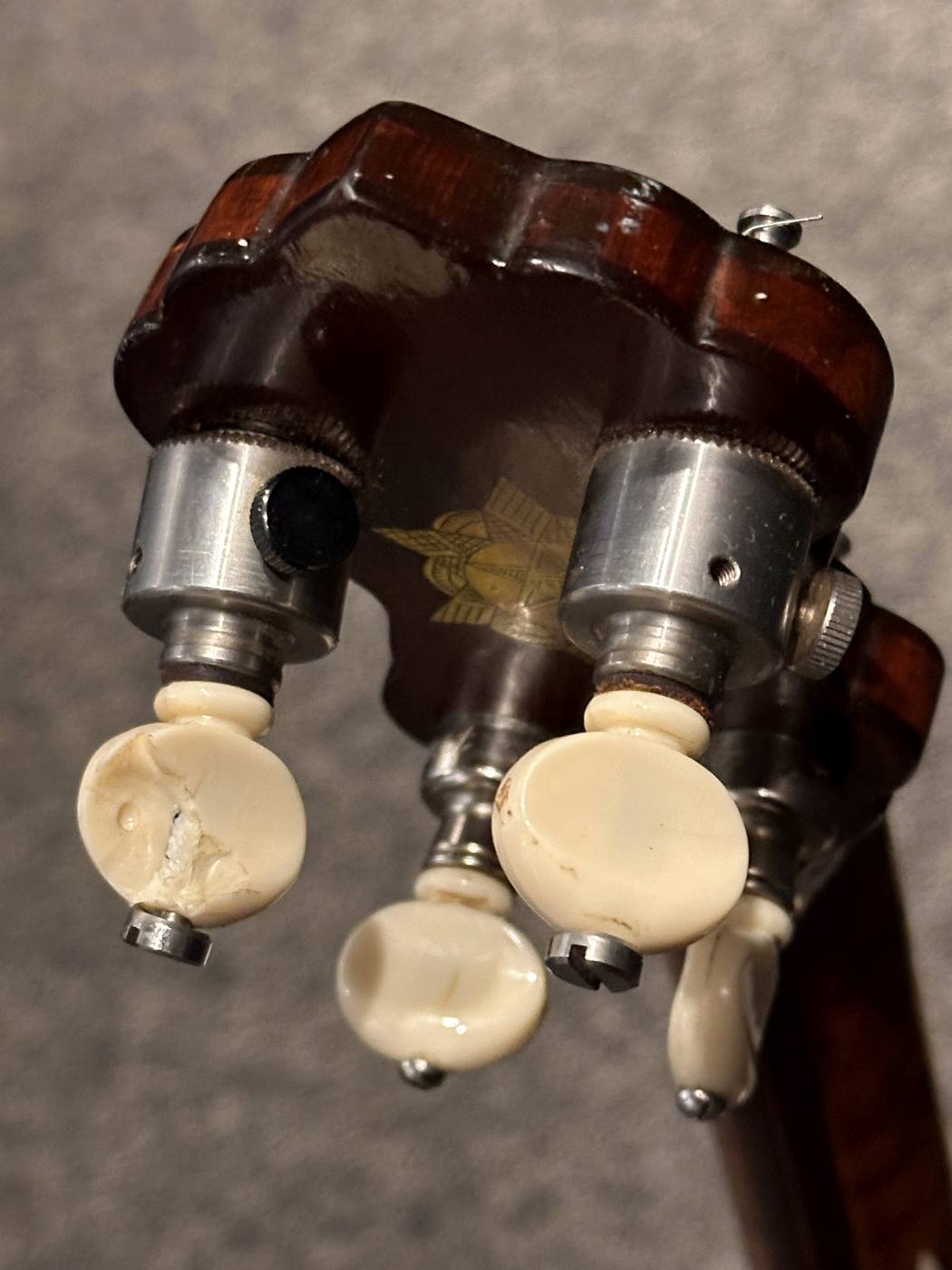
- Tuning Machinery: Equipped with premium vintage-style mechanical D-Tuners (Peg-Droppers) on the 2nd and 3rd strings for quick mid-performance pitch transitions. Note: Leftmost ivoroid tuner button shows stable, historical stress checking consistent with mechanical use.
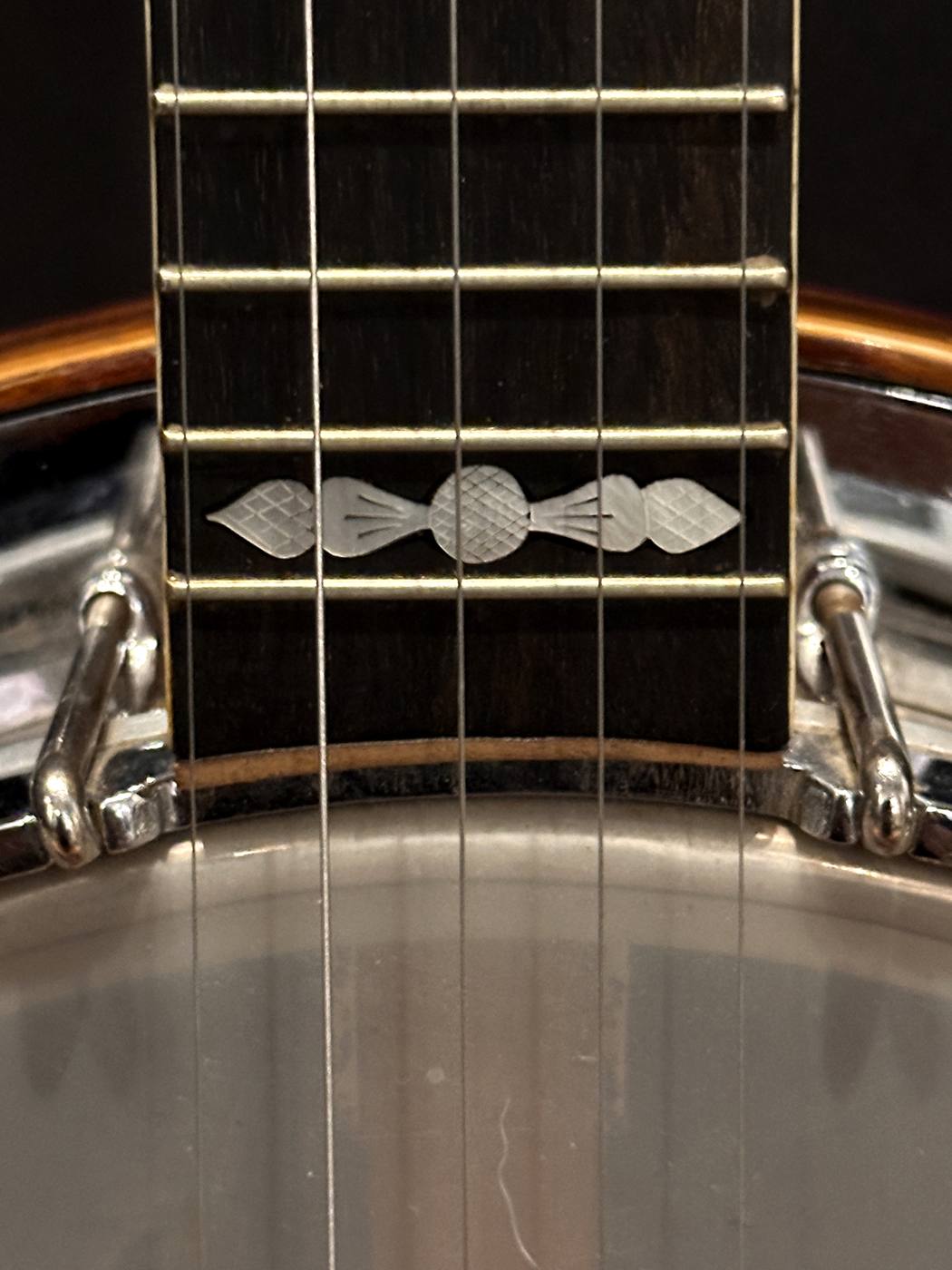
- Capo Accessories: Fingerboard is professionally fitted with low-profile 5th-string neck spikes (railroad spikes) at standard intervals to permit rapid key transpositions under performance conditions.
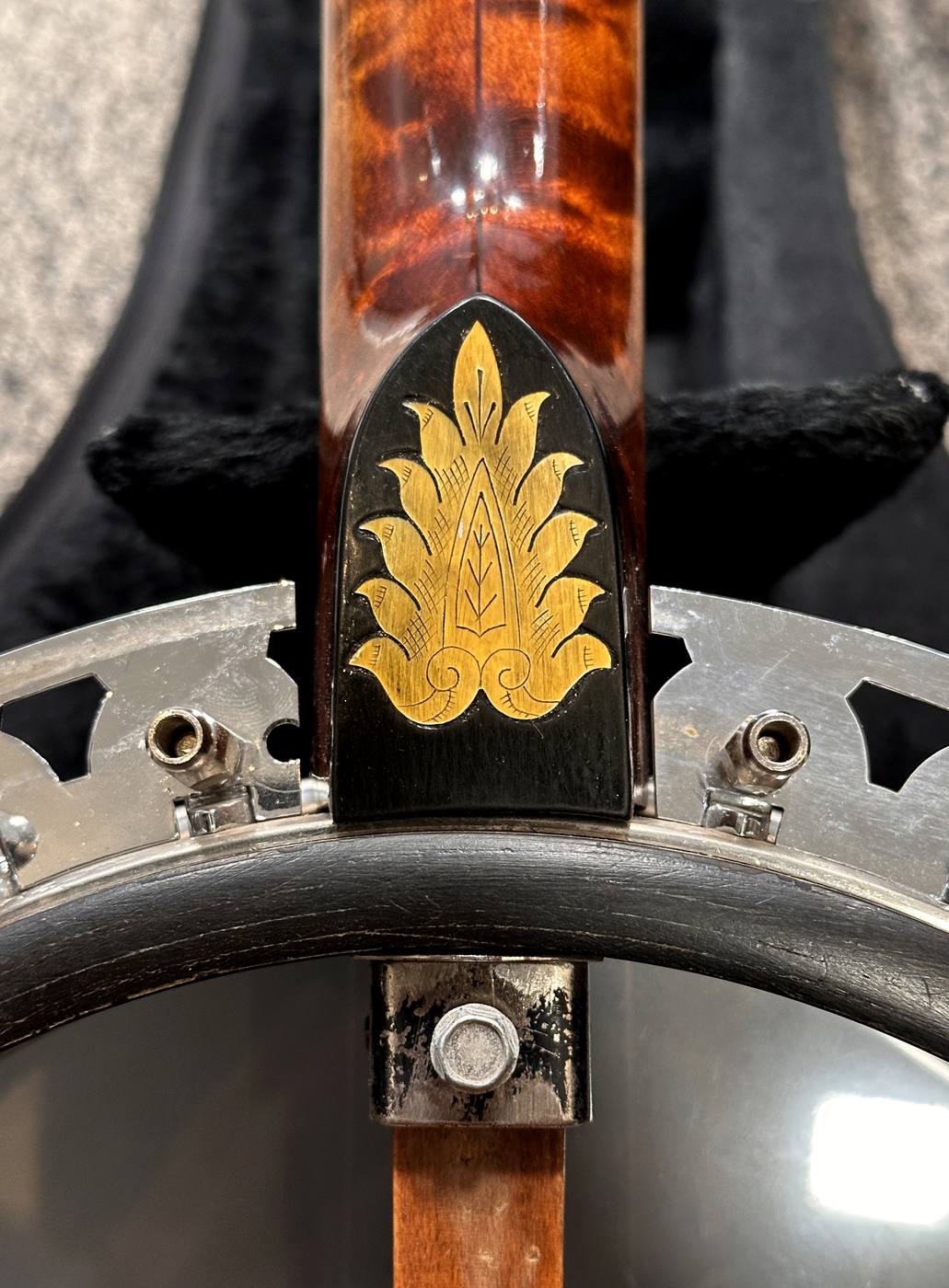
- Construction: Premium highly-figured quilted/birdseye maple resonator. Features a dark wood center-skunk stabilization stripe running continuously through the volute.
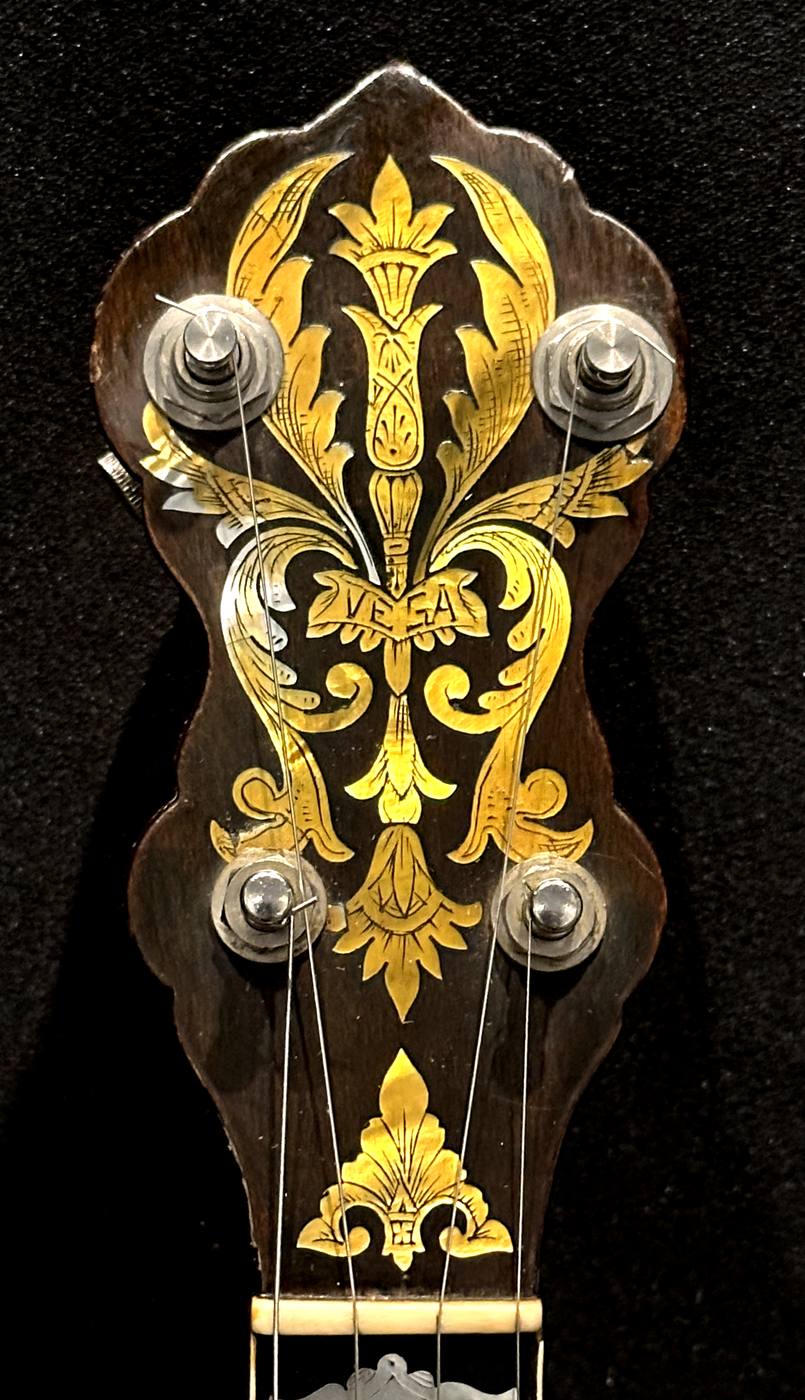
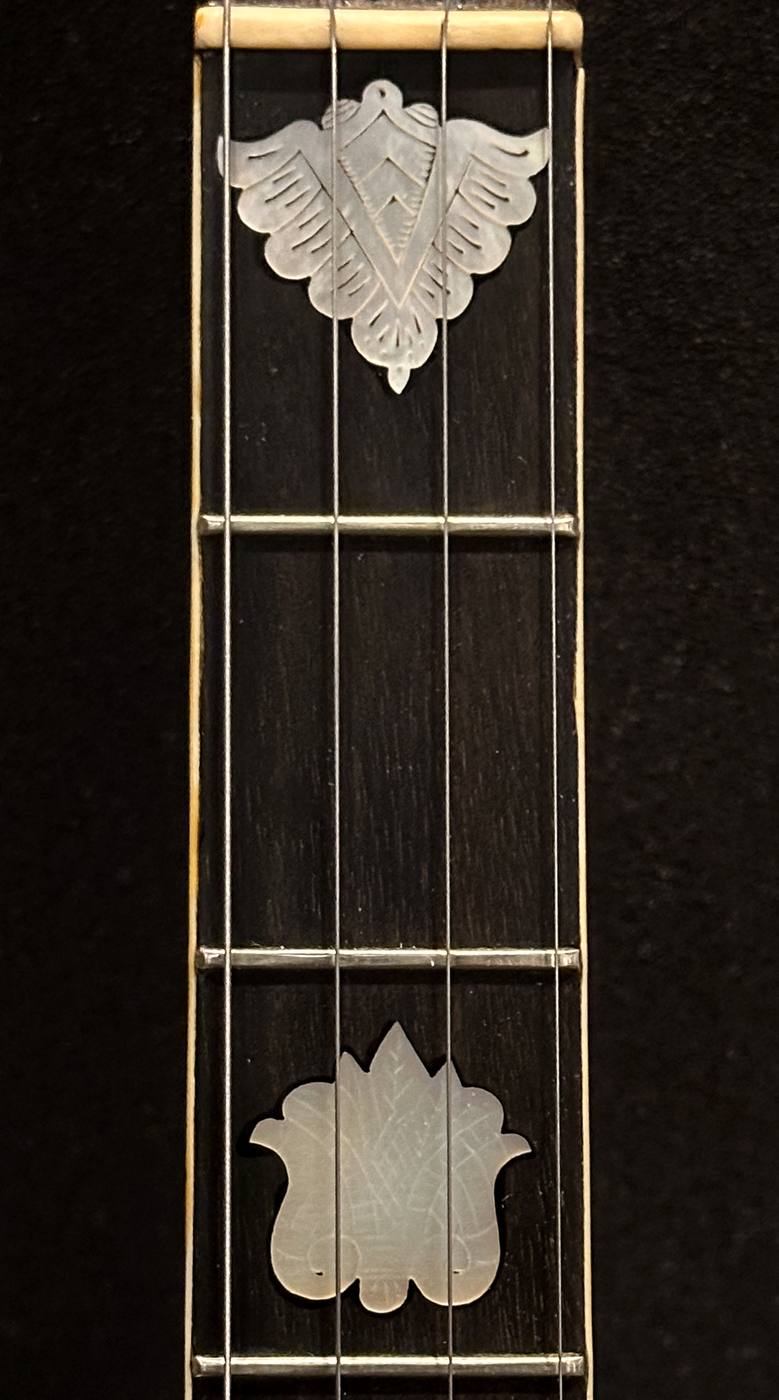
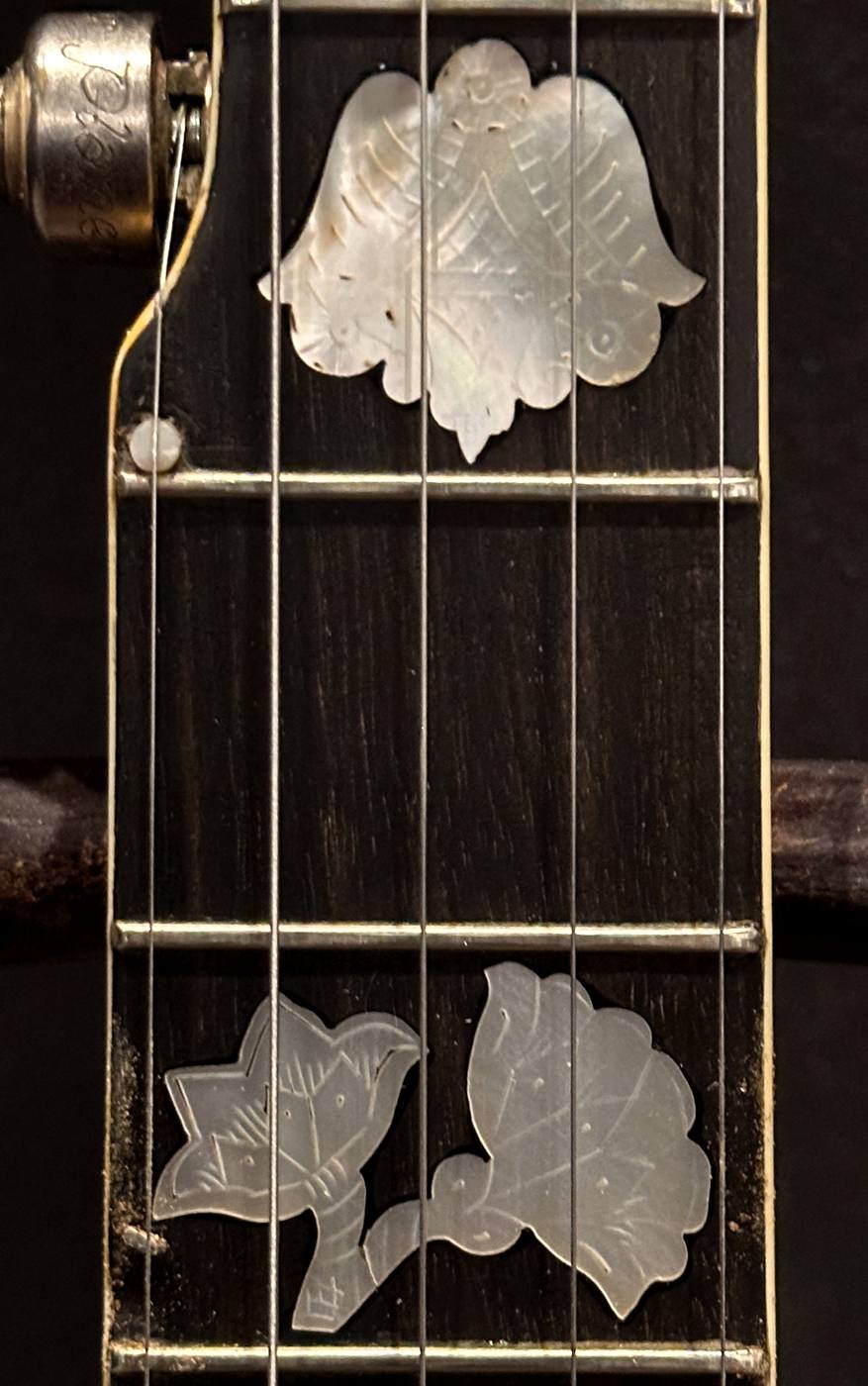
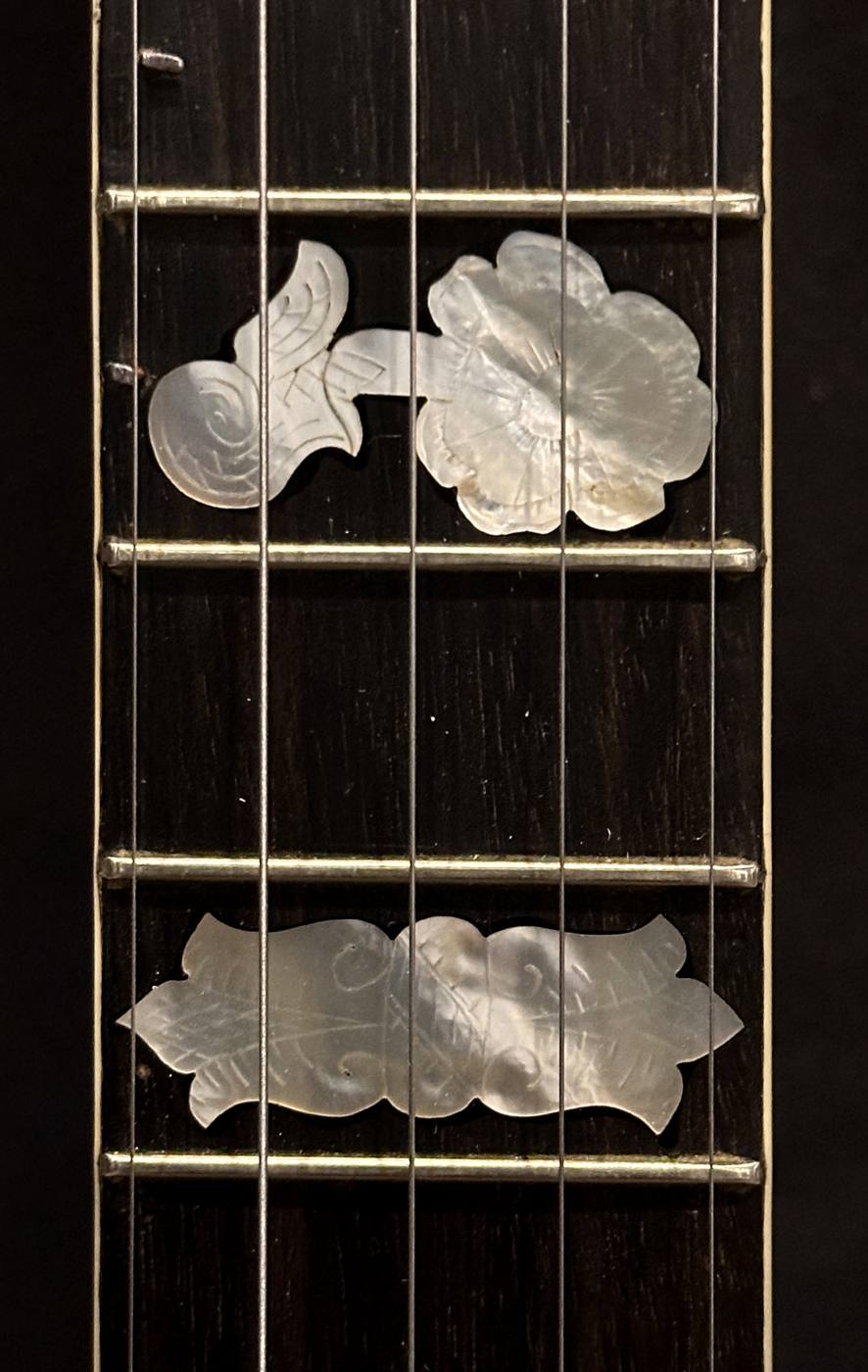
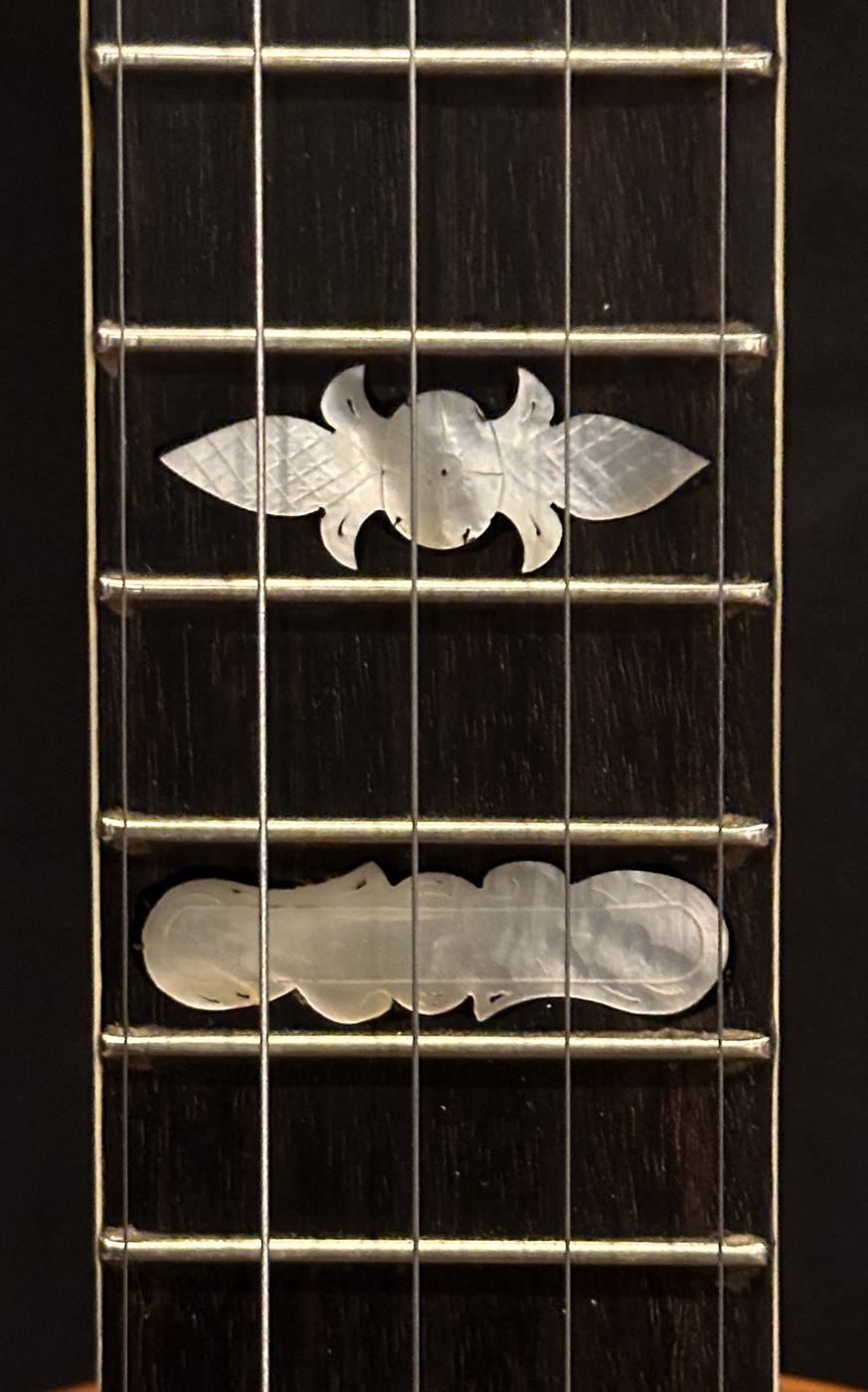
- Ornamentation: Deluxe hand-carved floral heel mimicking Vega’s elite Presentation-grade models.
- Headstock Overlay: Intricate hand-engraved mother-of-pearl “Flowerpot/Torch” motif on the front.
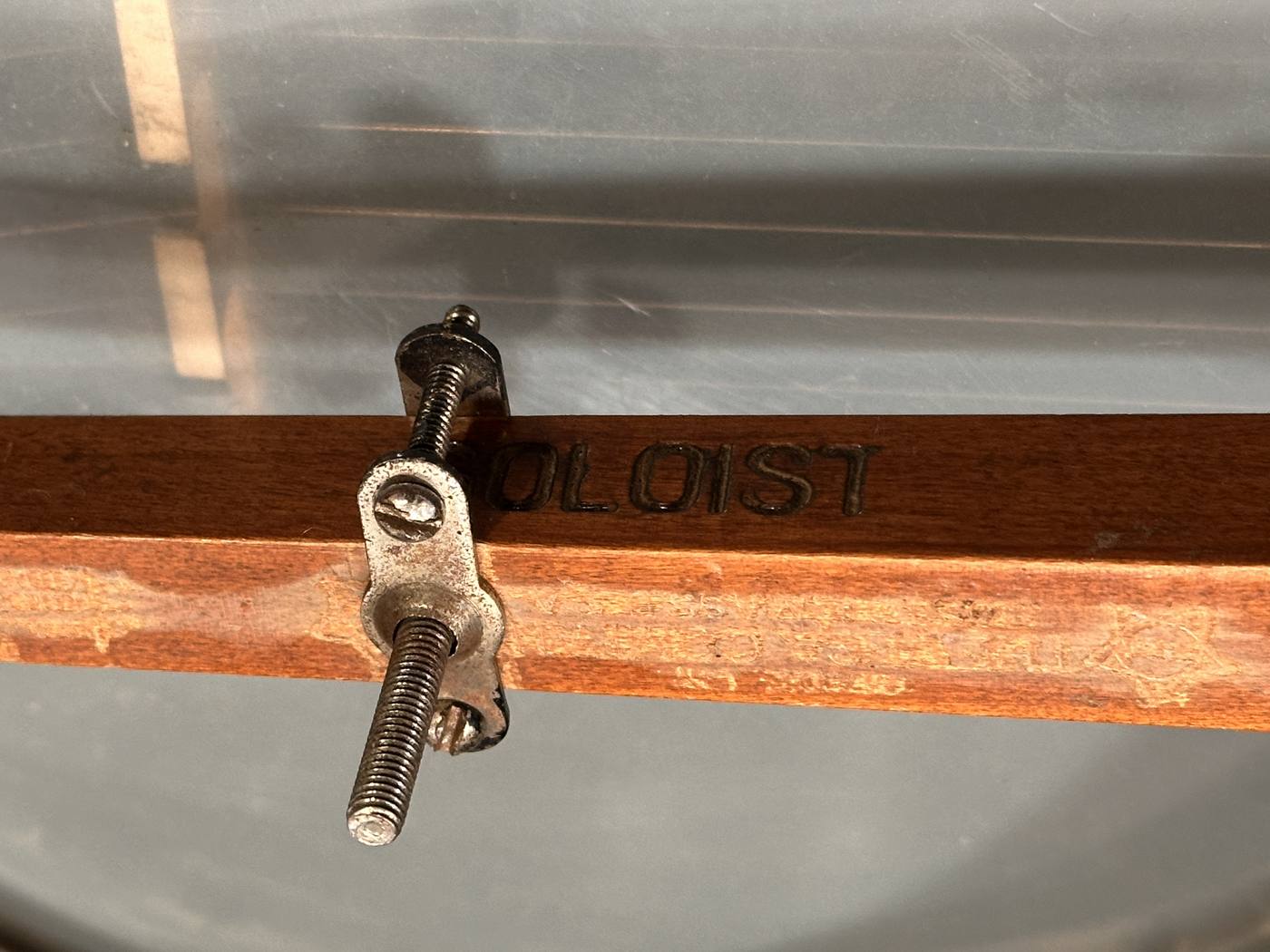
- Dowel Grafting: The original 1929 stamped “Soloist” tenor dowel stick was masterfully joined with the conversion neck to preserve the instrument’s vintage identity and serial number continuity.
Component Analysis & Serial Identification · 05
Tailpiece Configuration (Rare Hardware Feature)
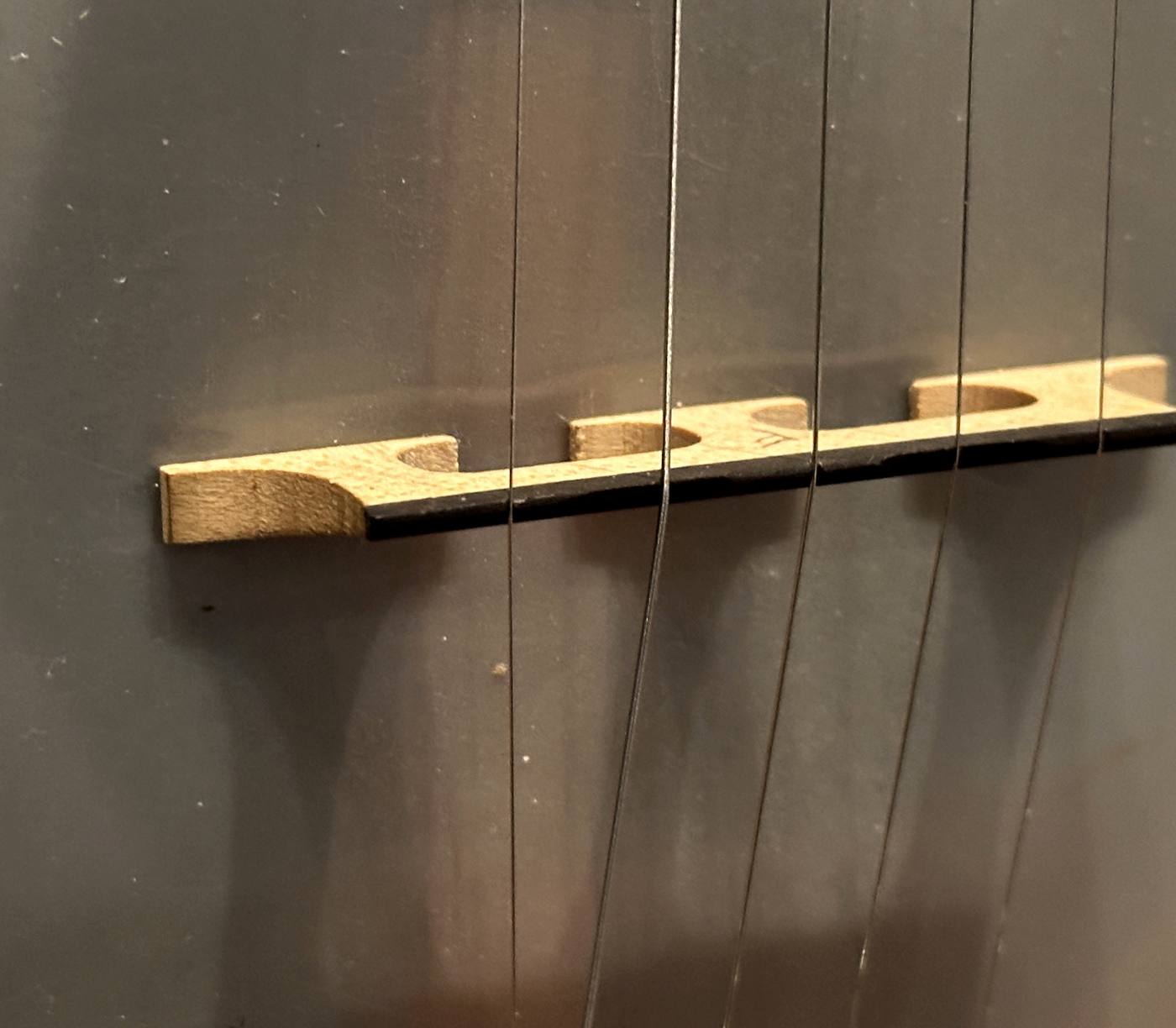
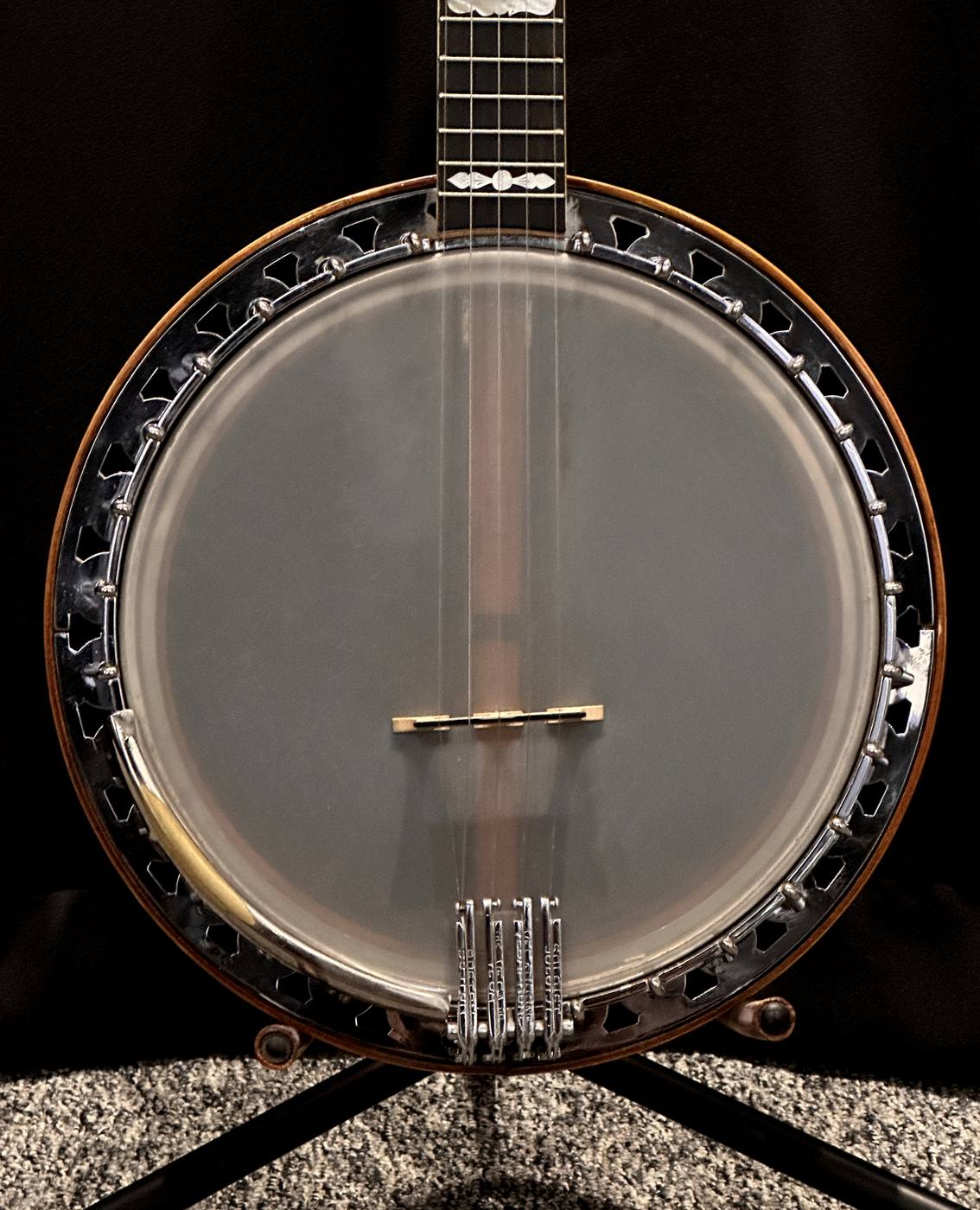
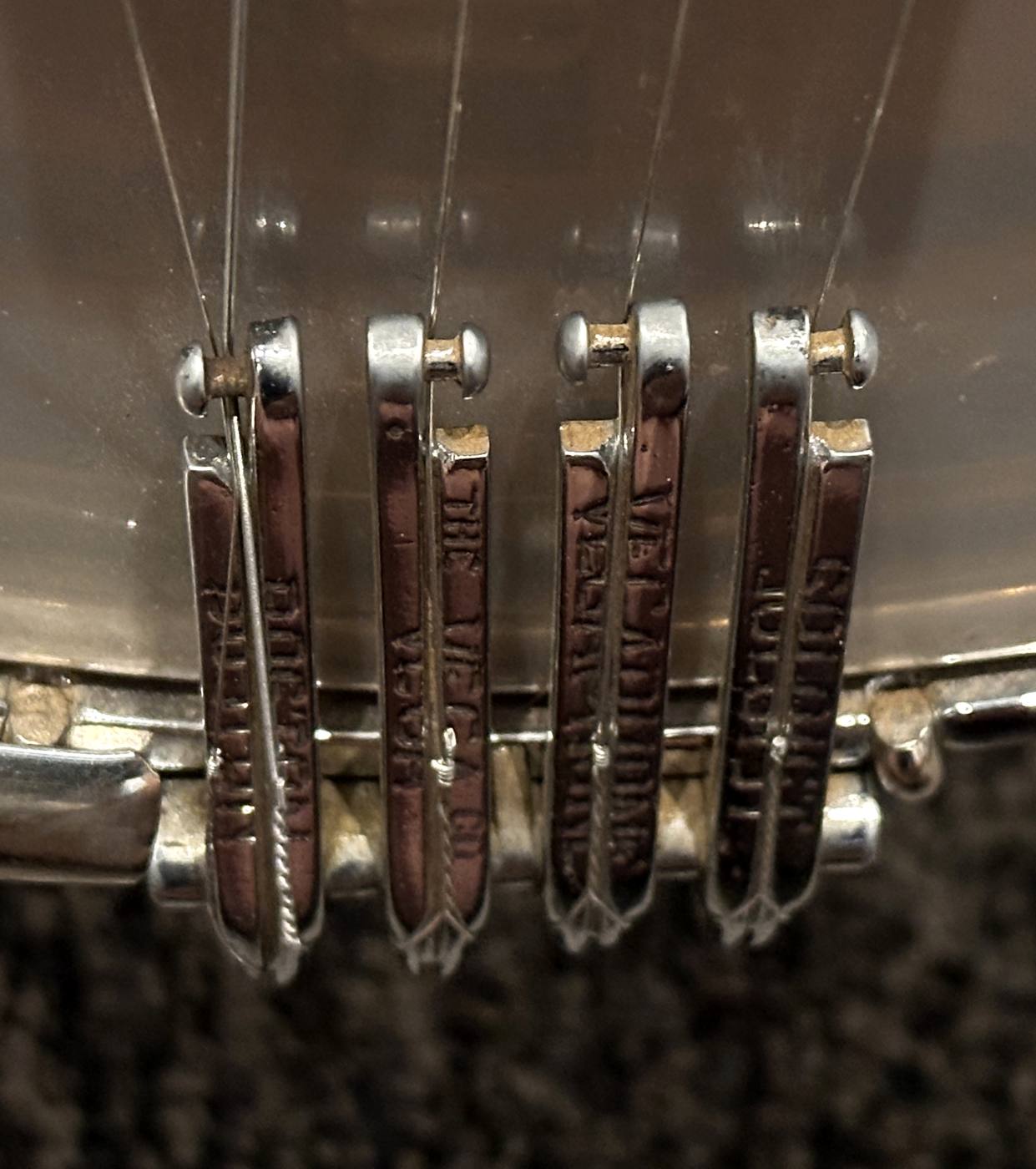
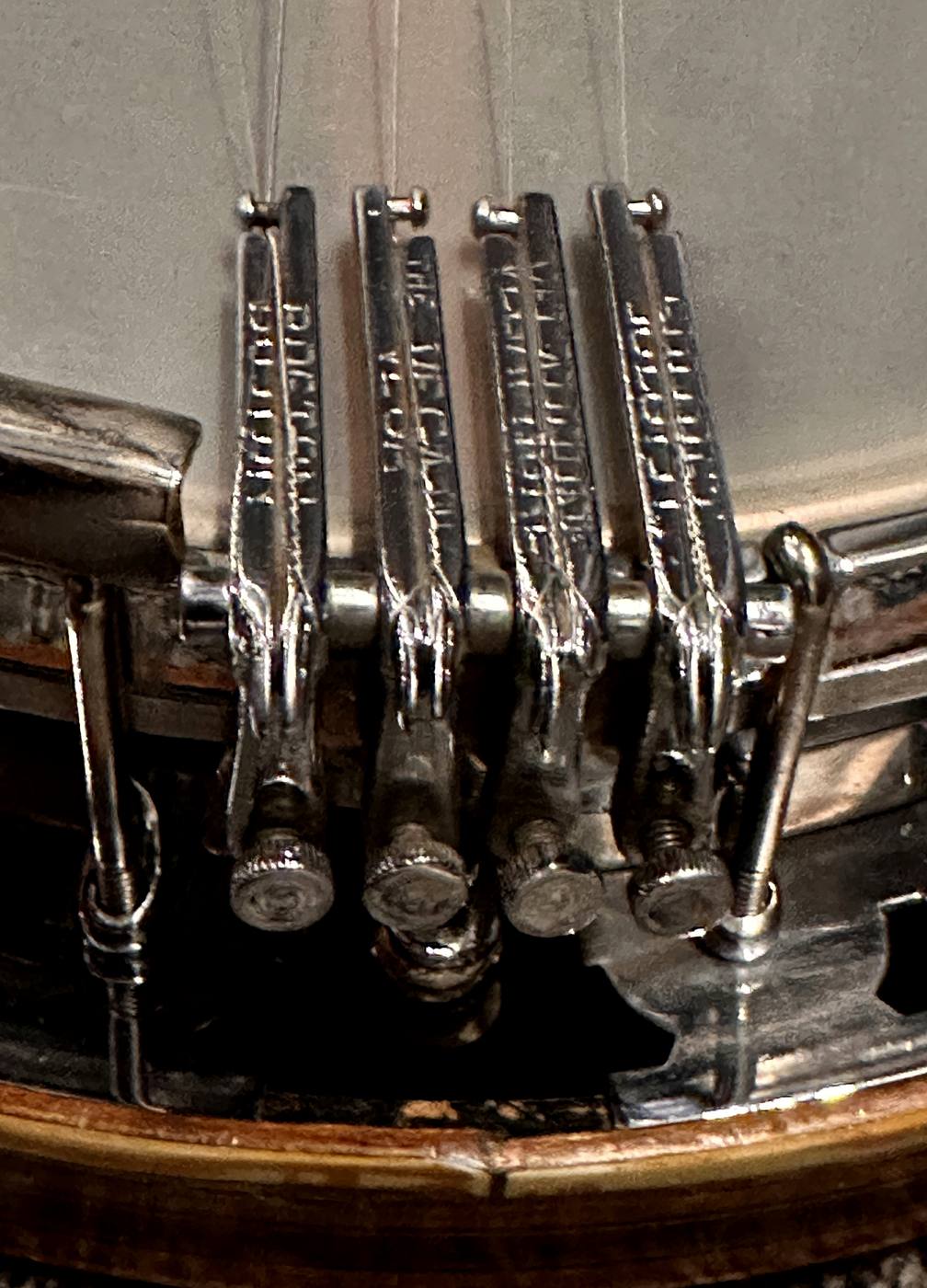
- Component: Original 1929 pre-war four-string Vega “Oettinger” tailpiece.
- Authenticity Marks: Deeply factory-stamped with “SOLOIST - VEGAPHONE - THE VEGA CO. - BOSTON”
- Masterfully strung for five-string functionality, utilizing shared anchoring on the original fingers to retain historical hardware composition.
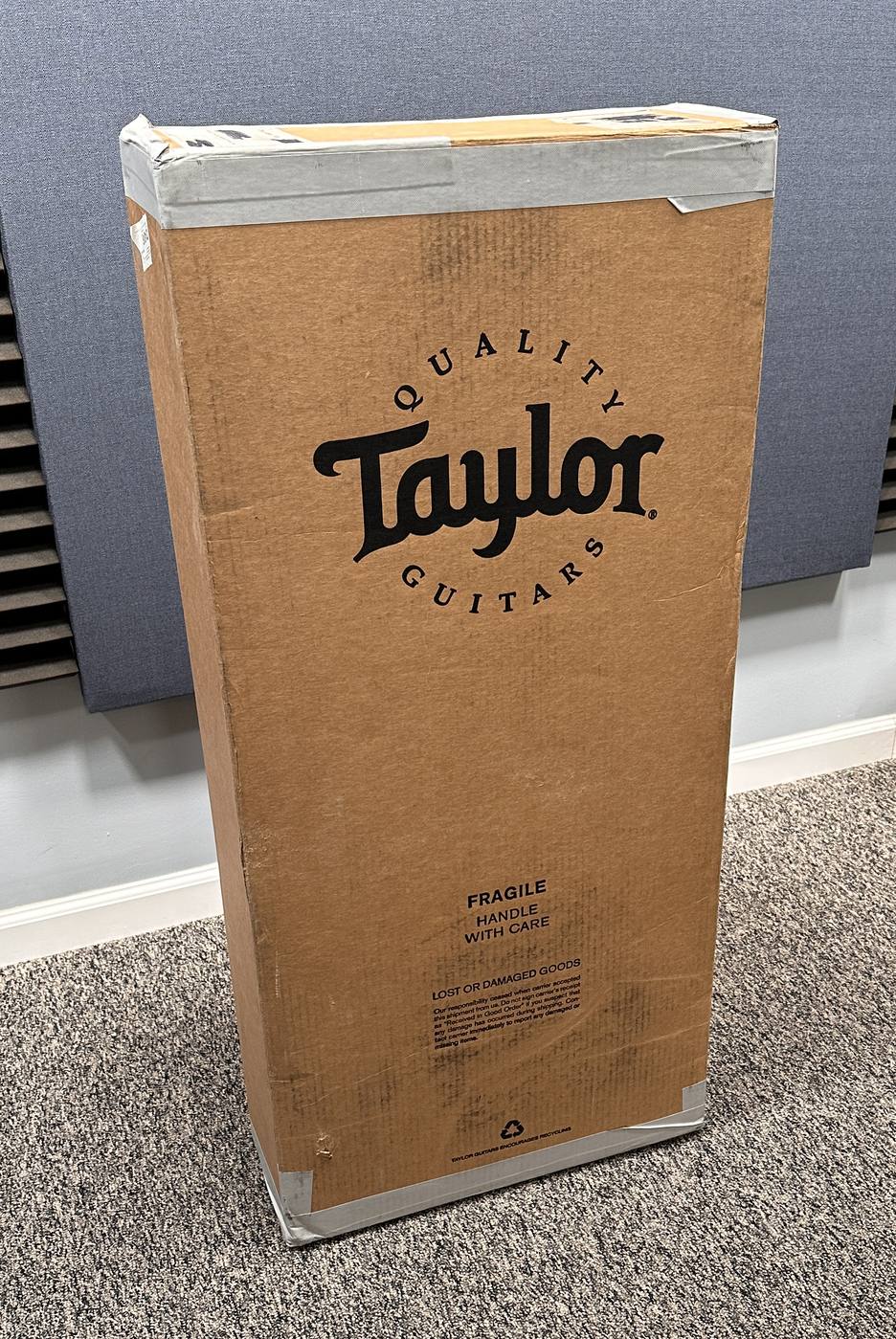
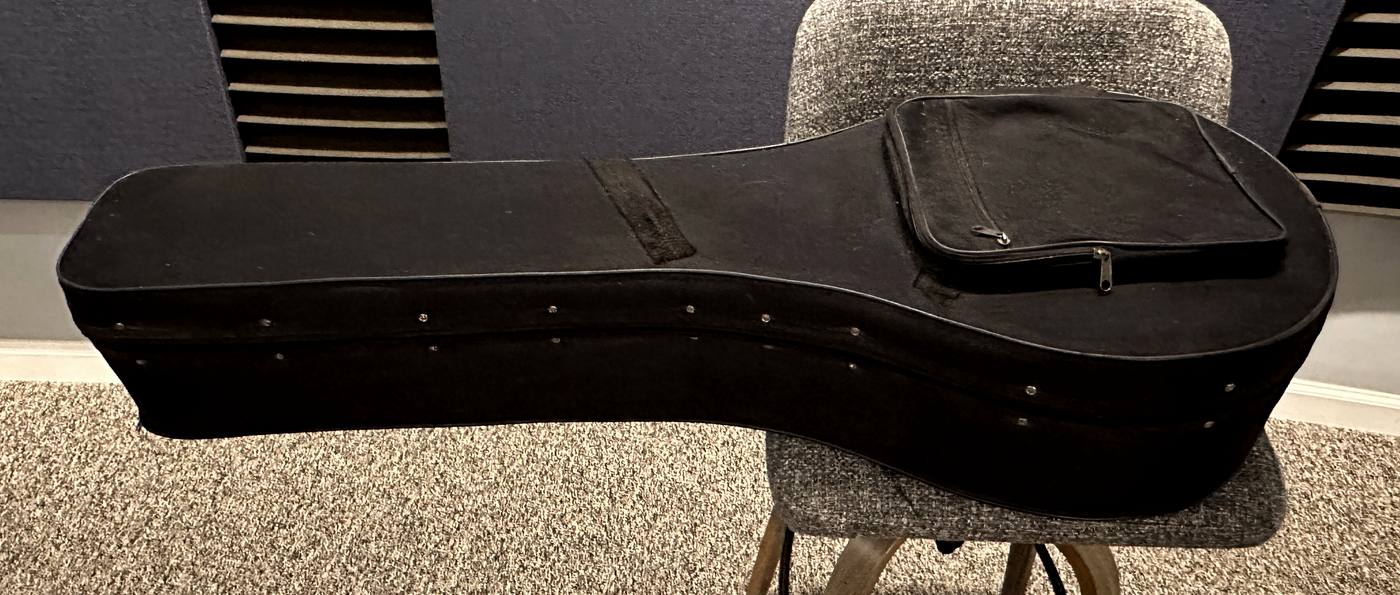
Included With the Instrument
Case & Accessories
Complete Photo Archive
Every Detail, Documented
All 34 reference photographs of the 1929 Vega Vegaphone Soloist, serial no. 87491, inscription C 69711.